
The final of the 2026 Beijing Pharmacy Skills Competition in thepharmacist-managed cliniccategory concluded at the Guoerzhao Hotel on September 24, 2026. Pharmacist-managed clinicwas newly added to the national competition categories this year and included in the national vocational skills competition for the health system for the first time. The municipal final was jointly organized by the Beijing Municipal Health Commission and the Beijing Federation of Trade Unions, and hosted by the Beijing Pharmacy Quality Control and Improvement Center.
The Beijing Municipal Health Commission and the Beijing Federation of Trade Unions attached great importance to the competition, making thorough preparations and carefully coordinating its organization. Since its launch, the competition has received an active response from district health commissions and medical institutions across Beijing. Participants progressed through preliminary, semifinal, and final rounds. Pharmacists from medical institutions across all 16 districts and the Beijing Economic-Technological Development Area entered. A total of 127 contestants advanced to the semifinals, and 20 contestants from eight competition zones qualified for the municipal final.
The competition followed national vocational skills standards and focused on the core functions of pharmacist-managed clinicand real clinical medication needs. It included a comprehensive written examination, case analysis (including pharmaceutical care record writing), and a knowledge quiz. Using competition to promote learning, practice, and application, it integrated pharmaceutical policies and regulations, foundational professional knowledge, and clinical practice, comprehensively assessing participants’ theoretical knowledge, clinical reasoning, communication and adaptability, and teamwork skills.
At the final, the knowledge quiz was intense and fast-paced, with all 20 contestants answering enthusiastically and remaining composed under pressure as they demonstrated their knowledge and quick thinking. The case analysis and medication history documentation segments incorporated standardized patients to simulate real-world consultations in pharmacist-managed clinicservices. Within the allotted time, contestants were required to conduct patient interviews and communicate effectively, review medication regimens, evaluate treatment plans, provide medication counseling, and complete the required service documentation. Expert judges scored each contestant across multiple dimensions, including information gathering, treatment plan evaluation, medication counseling, communication skills, and medication history documentation. Throughout the competition, the contestants remained calm and methodical, demonstrating solid professional expertise and strong competitive performance.
Dong Jiechang, Deputy Director-General-level official of the Beijing Municipal Health Commission, and Zhang Long, Director of the Commission’s Medical Equipment and Pharmaceutical Affairs Division, attended the event and delivered remarks. Also in attendance were Yang Yang, Second-Level Researcher of the Medical Equipment and Pharmaceutical Affairs Division; Yu Ruiguo, First-Level Researcher of the Employee Development Department of the Beijing Federation of Trade Unions; Qin Zhiyi, Deputy Director of the Dongcheng District Health Commission; and Wang Dandan, Deputy Director of the Shijingshan District Health Commission. Eight experts in pharmacy served as on-site judges. In his remarks, Dong Jiechang noted thatpharmacist-managed clinicservices are an important component of the healthcare service system and that pharmacists play a vital role in ensuring medication safety. He said the competition had fully demonstrated the strong professional capabilities and exemplary professional conduct of clinical pharmacists in Beijing. He emphasized that the competition should serve as an opportunity to continuously strengthen the city’s pharmacy workforce and further advance the standardized development of pharmacist-managed clinicservices. He encouraged pharmacists to remain committed to their roles, continually improve their professional skills, and uphold a patient-centered approach, translating what they had learned through the competition into practical capabilities that better serve the public.
After a closely contested competition, the winners were as follows:
Special Awards:
Best Theoretical Knowledge — Wu Danwei, Beijing Jishuitan Hospital, Capital Medical University. Best Case-Practice Performance — Li Huibo, Peking University Third Hospital; Kong Xudong, China-Japan Friendship Hospital; Wang Lu, Beijing Rehabilitation Hospital, Capital Medical University; and Wang Shaohong, Peking Union Medical College Hospital, Chinese Academy of Medical Sciences. Best Knowledge Quiz Performance — Liu Qingyang, Peking Union Medical College Hospital, Chinese Academy of Medical Sciences.
Individual Awards:
First Prize — Li Quanzhi, Beijing Jishuitan Hospital, Capital Medical University.
Second Prize — Kong Xudong, China-Japan Friendship Hospital; Wu Danwei, Beijing Jishuitan Hospital, Capital Medical University; Wang Lu, Beijing Rehabilitation Hospital, Capital Medical University; and Wang Shaohong, Peking Union Medical College Hospital,Chinese Academy of Medical Sciences.
Third Prize — Wu Hao, Changping District Hospital of Integrated Chinese and Western Medicine; Cai Xiaorong, Beijing Hospital of Traditional Chinese Medicine, Capital Medical University; Xu Xiaohan and Li Huibo, Peking University Third Hospital; Wang Zhenhuan, Beijing Friendship Hospital, Capital Medical University; and Liu Qingyang, Peking Union Medical College Hospital,Chinese Academy of Medical Sciences.
Awards of Excellence — Tian Yue and Guo Shanshan, Beijing Tiantan Hospital, Capital Medical University; Zheng Tingting, Beijing Jishuitan Hospital, Capital Medical University; Zhang Weiwei, Beijing Tsinghua Changgung Hospital; Huang Yinpeng, Fengtai District Maternal and Child Health Hospital; Yang Ting, Peking University First Hospital; Jin Mengya, Dongfang Hospital of Beijing University of Chinese Medicine; Hu Wenjun, Fengtai District Maternal and Child Health Hospital; and Guo Jingyue, Dahongmen Community Health Service Center, Fengtai District.
Team Awards:
First Prize — Changping District.
Second Prize — Fengtai, Dongcheng, and Haidian districts.
Third Prize — Chaoyang, Shijingshan, Tongzhou, Daxing, Xicheng, and Miyun districts.
Award of Excellence — Fangshan, Shunyi, Yanqing, Huairou, Pinggu, and Mentougou districts, and the Beijing Economic-Technological Development Area.
The successful organization of this skills competition provided pharmacists across Beijing with a valuable platform to exchange expertise, learn from one another, and improve their professional skills. It further strengthened the professional foundations of the city’s pharmacy workforce, identified gaps and weaknesses inpharmacist-managed clinicservices, and promoted innovative practices and experience in delivering high-quality pharmaceutical care. Building on this competition, the Beijing Municipal Health Commission will continue to strengthen the city’s pharmacy workforce, broaden the scope of pharmaceutical services, and improve service quality. It will also promote the transformation of traditional pharmacy services into more precise, accessible, and specialized clinical pharmacy services, thereby ensuring medication safety for the public and laying a solid foundation for pharmaceutical care as part of the Healthy Beijing initiative.
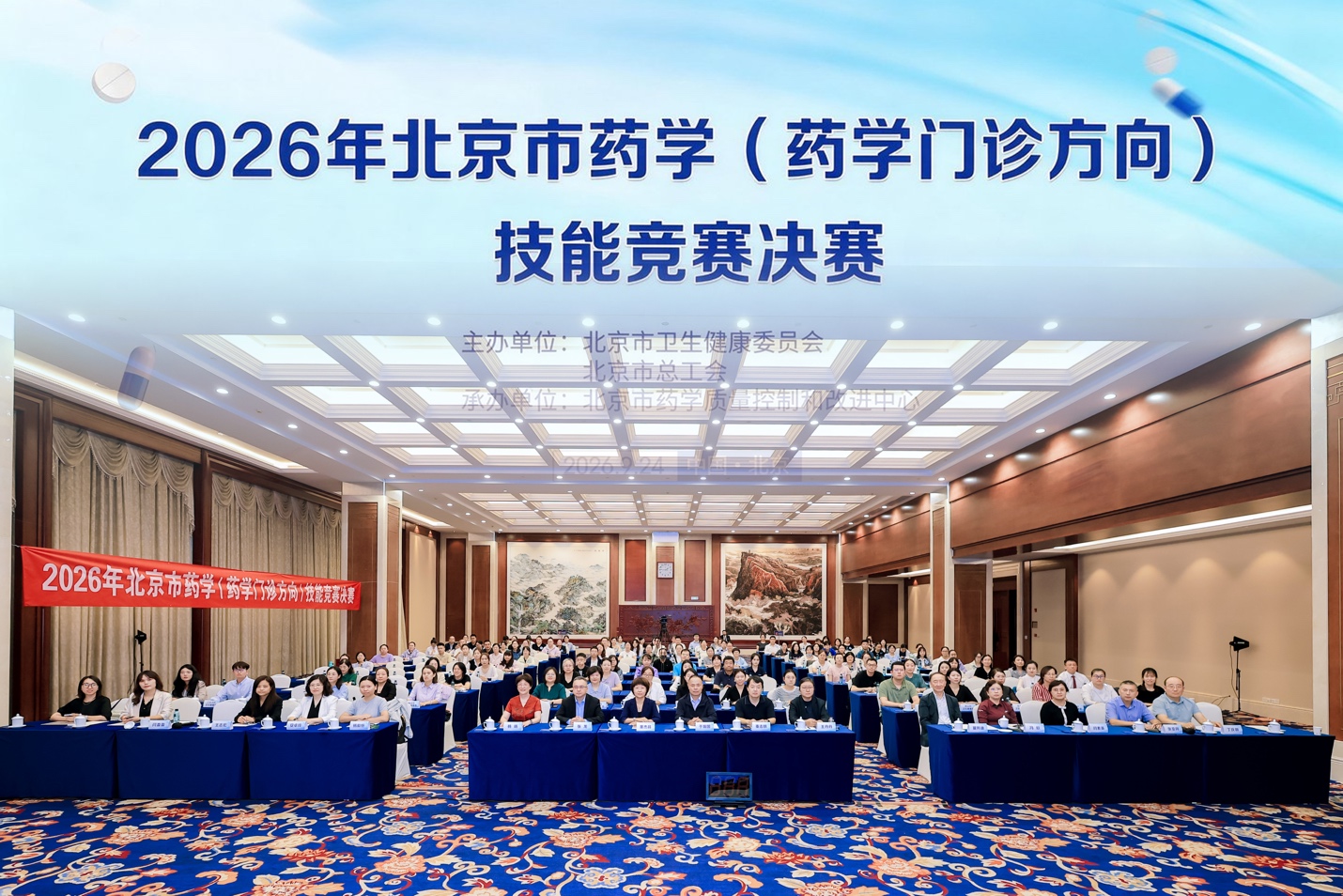
Photo 1: Overview of the final competition
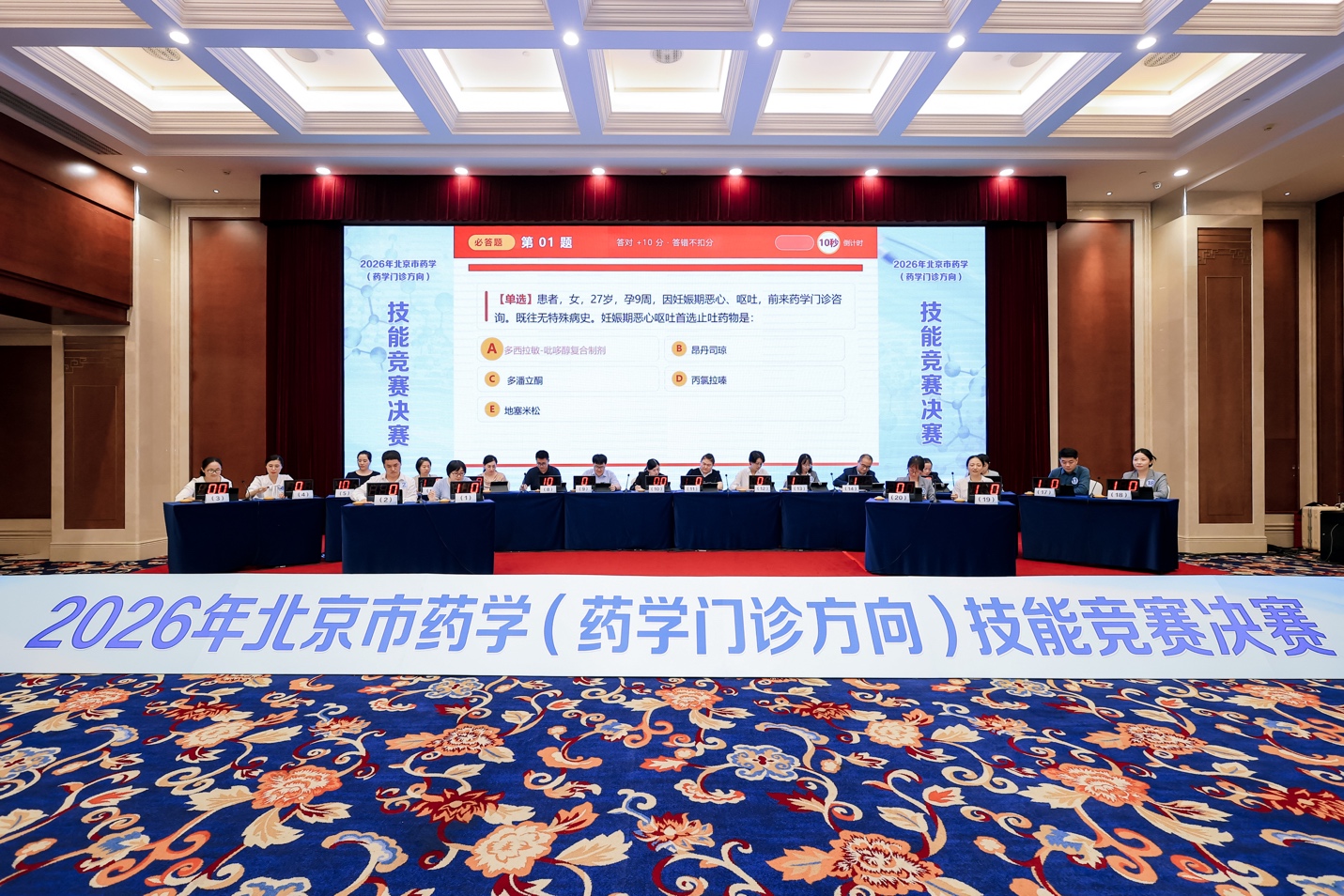
Photos 2: Finalists participating in the knowledge quiz
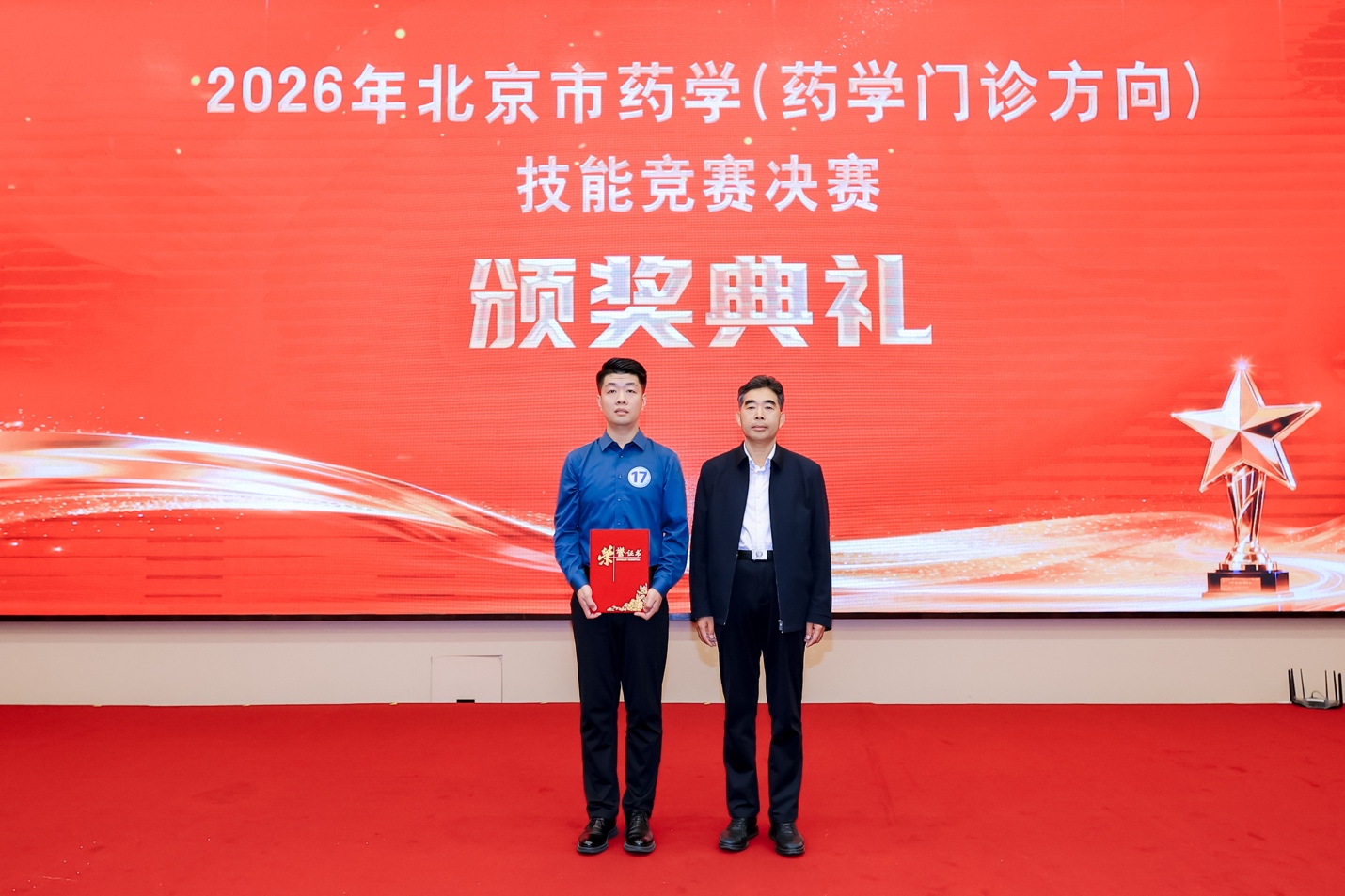
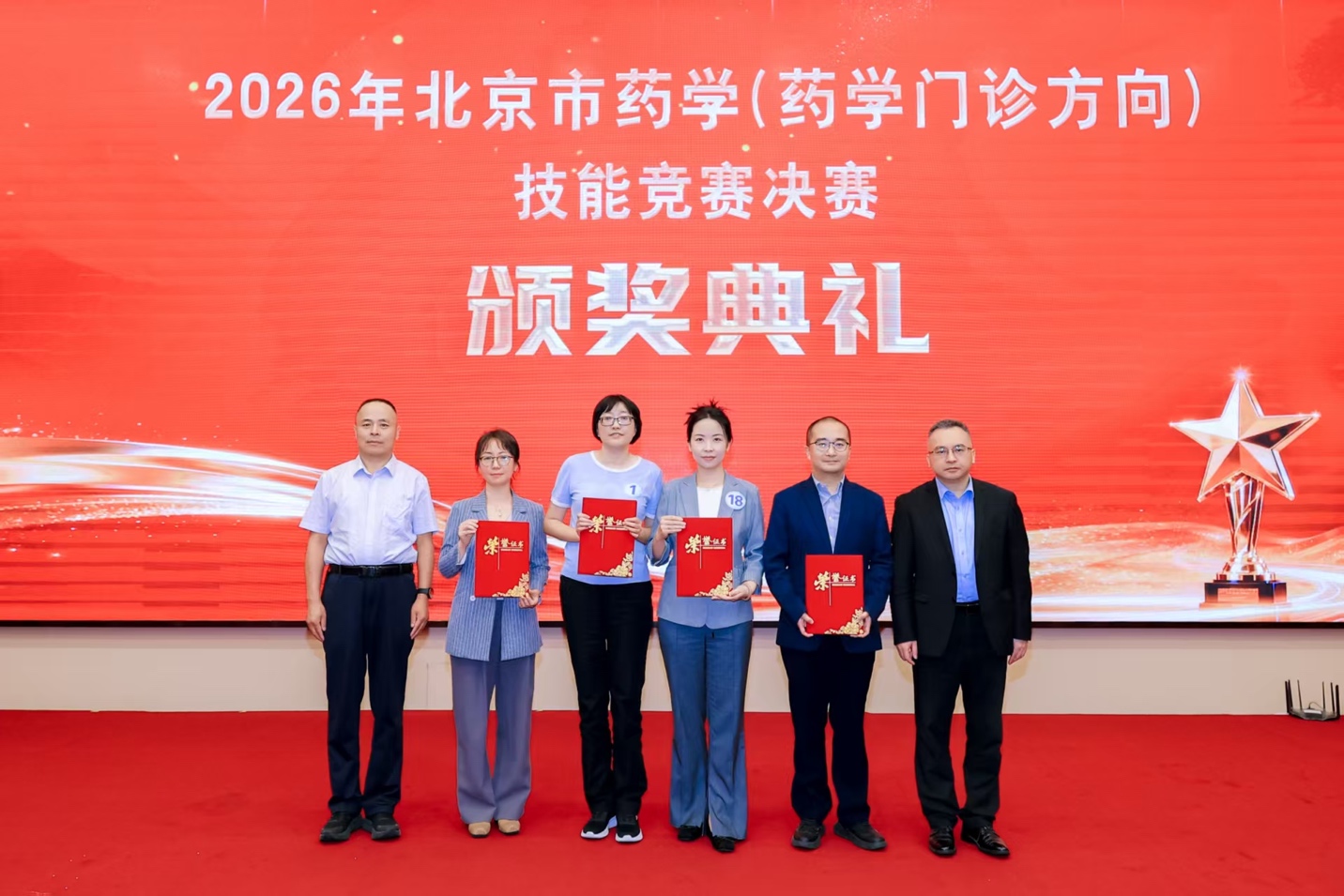
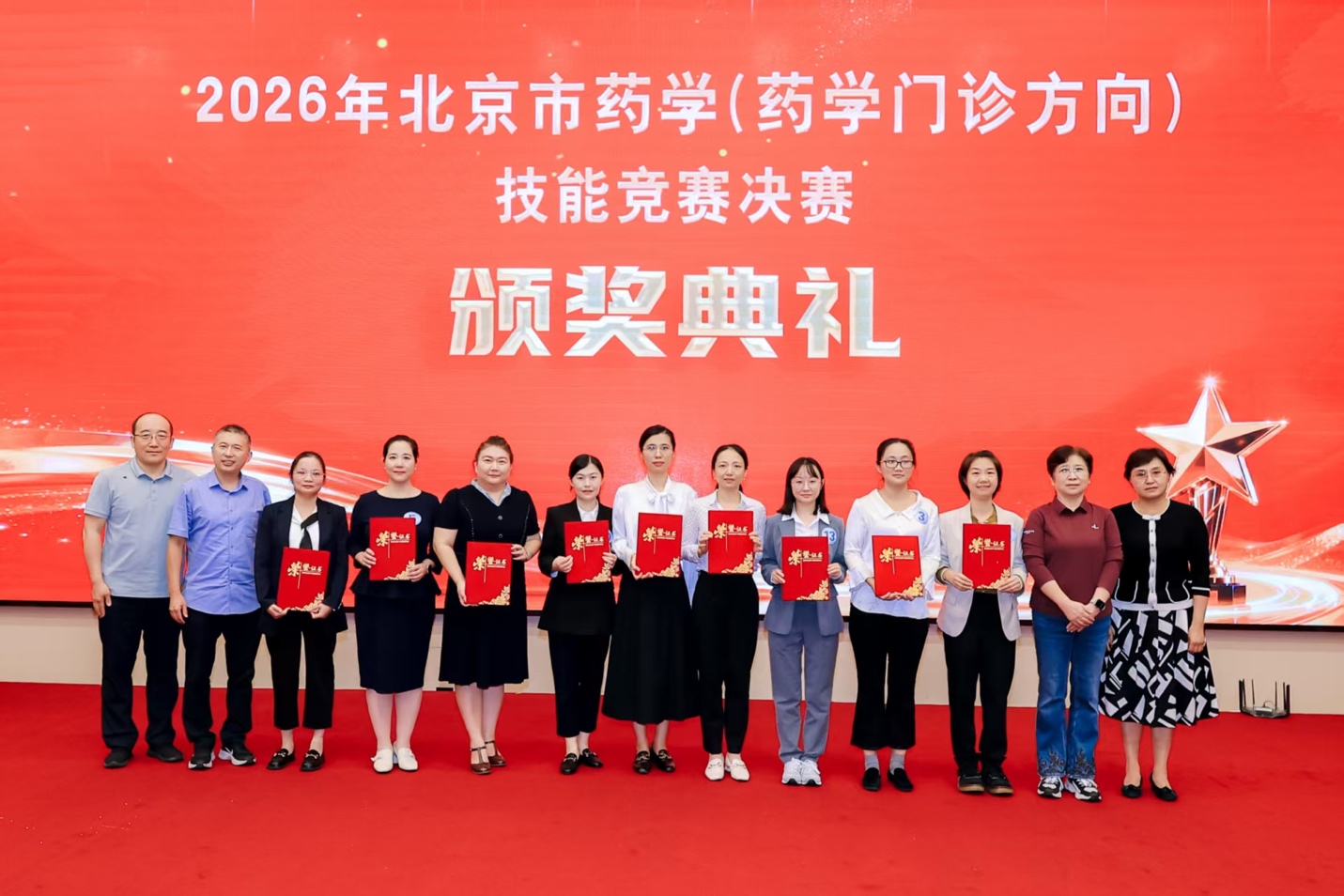
Photos 3–5: Award presentation for individual winners