
Food safety is fundamental to people's well-being, while standards provide the foundation for food safety. From August 26 to 28, the Beijing Municipal Health Commission held the 2026 Food Safety Standards Outreach Program to help food safety regulatory authorities, food producers, testing institutions, industry associations and other stakeholders better understand and correctly implement national food safety standards. Organized by the Beijing Municipal Health Commission, the program adopted a hybrid format combining an on-site main venue with online livestreaming. The sessions were also livestreamed nationwide free of charge via an online learning platform. The program drew more than 16,000 representatives from organizations involved in the implementation of food safety standards, both on site and online, while total livestream views exceeded 53,000.
August 26 and 27 featured the Food Safety Standards Outreach Sessions, with experts involved in the development and revision of standards from the National Center for Food Safety Risk Assessment invited to provide systematic interpretations and answer questions on topics including contaminant limits, foods for special medical purposes, labeling of prepackaged foods, hygienic practices for meat production, and regulations and catalogs governing the management of foods and food ingredients with both food and medicinal uses. Each session was followed by a Q&A segment, during which participants actively raised practical questions concerning the interpretation of specific provisions and challenges encountered in implementation. Experts responded to the questions one by one, generating lively exchanges at the venue.
August 28 featured the Food Safety Standards Masterclass, focusing on the standards for the use of food additives, general principles for physical and chemical testing, general hygienic practices for food production, good manufacturing practices for health foods, and relevant product standards for cooked meat products and cured meat products. The online livestream platform also enabled participants to submit questions through the comment section. Those unable to attend in person took part through live comments and messages, enabling participants from different regions to learn and interact simultaneously.
Outside the main venue, a three-day exhibition showcasing digital food labels in Beijing was held concurrently. The exhibition featured educational posters explaining digital labels, display panels highlighting their application by participating companies, and examples of products using digital labels. According to statistics, 28 companies in Beijing currently use digital labels on a total of 282 products. A dedicated educational exhibition area for foods for special medical purposes was also set up, featuring the “Little Blue Flower” logo and guidance on how to select such products scientifically. Through posters, brochures and other materials, the exhibition provided participants and members of the public with information on how to identify the labeling of foods for special medical purposes and use such products appropriately.
Four Consecutive Years of Development Have Built a Mature Outreach System
Since 2023, the Beijing Municipal Health Commission has organized food safety standards outreach activities for four consecutive years. By continuously focusing on key tasks such as standards outreach, follow-up evaluation and the promotion of digital labels, Beijing has established an integrated working framework that combines online and offline engagement and connects national standards with local implementation practices.
Broader Standards Coverage with a Focus on Key Areas
Over the past four years, the scope of the outreach program has expanded from interpretations of individual standards to systematic coverage across the food safety field, marking a huge shift from targeted breakthroughs to comprehensive implementation. In 2023, the program focused on foundational standards covering food-contact materials and articles, contaminant limits, detergents and processed cheese, while also providing interpretations of standards included in follow-up evaluation catalogs, covering areas such as instant noodles, hygienic requirements for centralized disinfection of tableware and catering utensils, and limits for pathogenic microorganisms in prepackaged foods. These efforts laid a solid foundation for the implementation of food safety standards. In 2024, the program expanded to cover standards governing the use of food additives, the validation of chemical and microbiological testing methods, and soybean products, as well as standards and requirements concerning prepackaged food labeling, pastries and bread, alcoholic beverages, hygienic practices for food production and business operations, hygienic practices for the production of cooked meat products, and mycotoxin limits. The program thus offered more diverse perspectives on standards interpretation. In 2025, the program further focused on areas of particular concern to the public, including food labeling, foods for infants and young children, food service hygiene, control of contaminants and pathogenic microorganisms, and dairy product safety, responding to emerging public concerns and areas of social interest. In 2026, the program achieved comprehensive coverage of areas including foods for special medical purposes, hygienic practices for meat production, the management of catalogs of foods and food ingredients with both food and medicinal uses, good manufacturing practices for health foods, and general principles for physical and chemical testing. The range of standards continued to expand, while the overall framework became increasingly comprehensive. Over the four years, the program has covered the entire food safety chain, including food ingredients and raw materials, production and processing, distribution and retail, testing and inspection, and special foods. Its systematic, professional and practical value has increased significantly, providing strong technical support for the high-quality development of the food industry.
Continued Innovation in Outreach Formats and Deeper Online-Offline Integration
Since 2023, Beijing has explored a dual-track model combining standards outreach sessions and masterclasses, integrating standards follow-up evaluation with training and education. Since 2024, the program has been held over three days each year, establishing a stable and increasingly mature format with diverse content. The on-site main venue provides a platform for direct communication between standards users and experts involved in the development and revision of standards, while on-site Q&A sessions address practical challenges encountered by businesses in implementing the standards. At the same time, online livestreaming removes geographical barriers and allows standards users from across the country to participate.
Steady Promotion of Digital Labels and Initial Progress in Smart Regulation
In 2025, the outreach program established a digital-label exhibition area for the first time, showcasing 42 digital-label products from 10 companies and demonstrating how the technology can improve the transparency of food information. In 2026, the exhibition expanded significantly, featuring 282 products using digital labels from 28 companies. Representative QR codes for digital labels were displayed by company, while educational posters and application displays attracted widespread attention from participants. As a digital upgrade to traditional food labels, digital labels can effectively address limitations such as restricted label space and the difficulty of updating information on conventional labels. The National Health Commission designated 2025 as the “Year of Promoting Digital Food Labels” and organized provinces and municipalities across the country to promote their application. Beijing has actively responded to this national initiative. Since March 2025, it has systematically promoted the application of digital labels through a full-process mechanism encompassing deployment, interpretation, discussion, promotion and public education, continuously advancing their application in the food sector and contributing Beijing's experience to the nationwide promotion of digital food labels.
Authoritative Experts Providing Targeted Support for Industry Needs
Over the past four years, the program has consistently invited leading experts involved in the drafting and revision of food safety standards to deliver presentations. Expert teams from institutions including the National Center for Food Safety Risk Assessment, the China Meat Research Center and the Beijing Municipal Administration for Market Regulation have provided systematic explanations of the background to standards development and revision, key provisions, implementation requirements and common misunderstandings, ensuring authoritative and accurate interpretations. The program has combined on-site Q&A sessions with online interaction, addressing nearly 100 practical questions concerning standards implementation each year on average and directly responding to the industry's key concerns.
After four years of continuous development, the Beijing Municipal Health Commission's food safety standards outreach program has established an increasingly comprehensive content framework, diversified its formats and expanded its reach. It has become an influential platform in the field of food safety standards, playing an important role in promoting the implementation of national food safety standards and contributing to a broader framework of joint participation and shared responsibility for food safety.
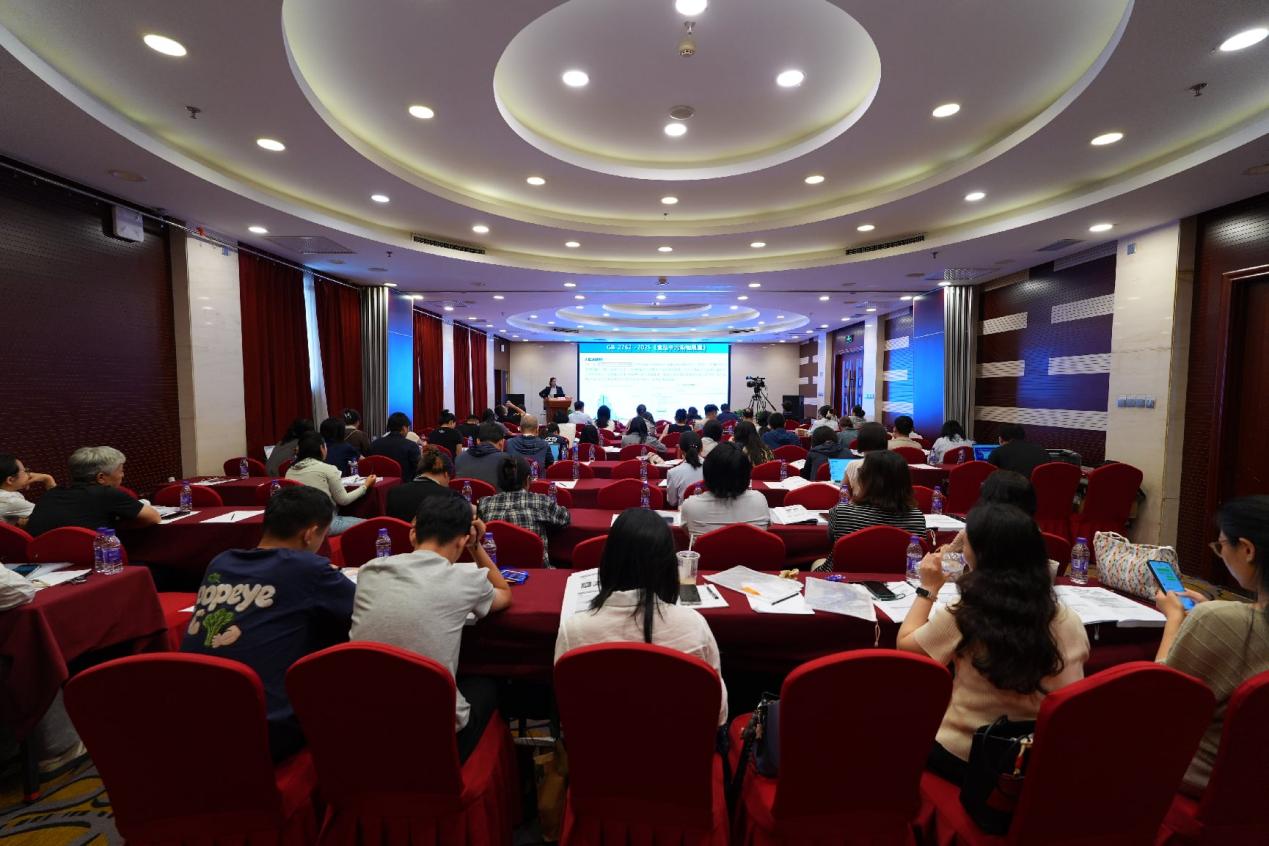
Event highlights
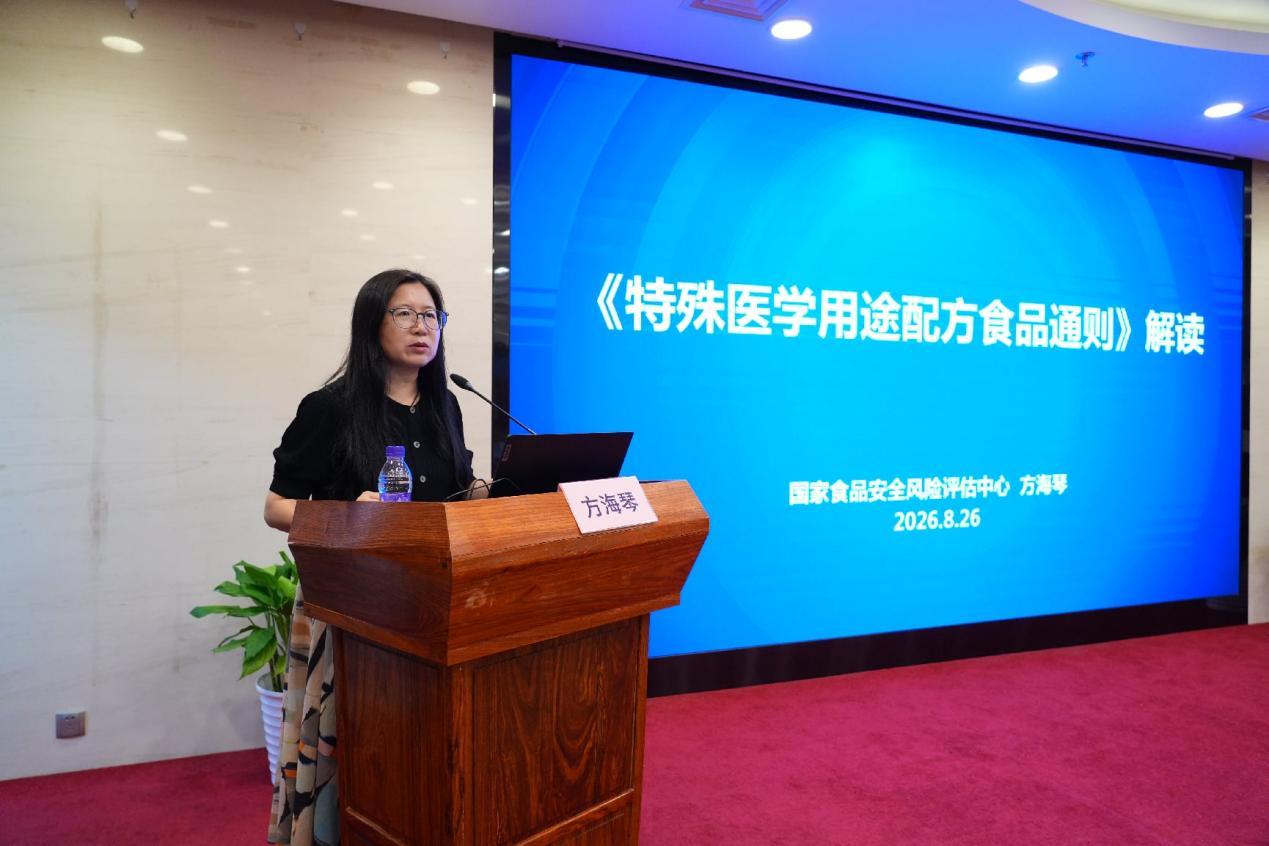
Director Fang Haiqin delivering a presentation
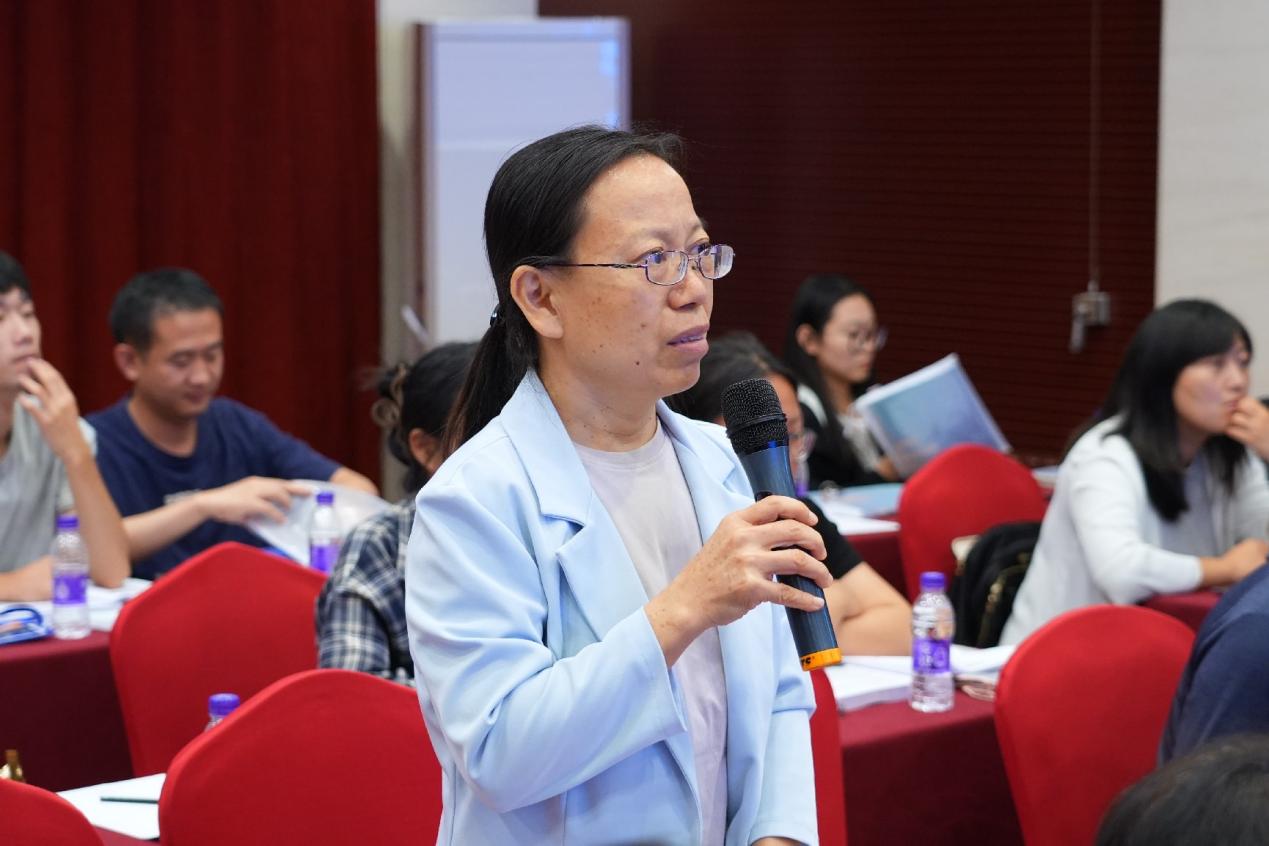
Participants raising questions
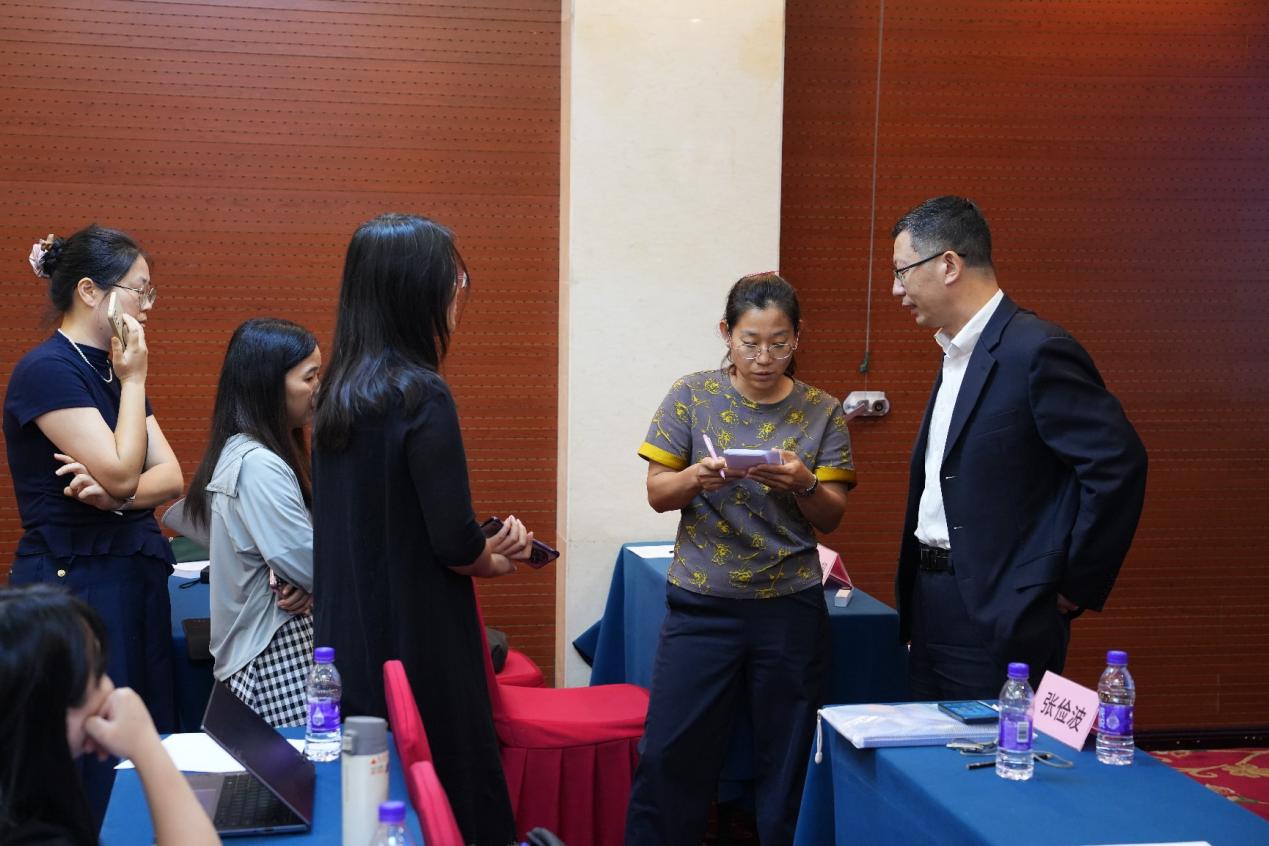
Director Zhang Jianbo answering questions during a break
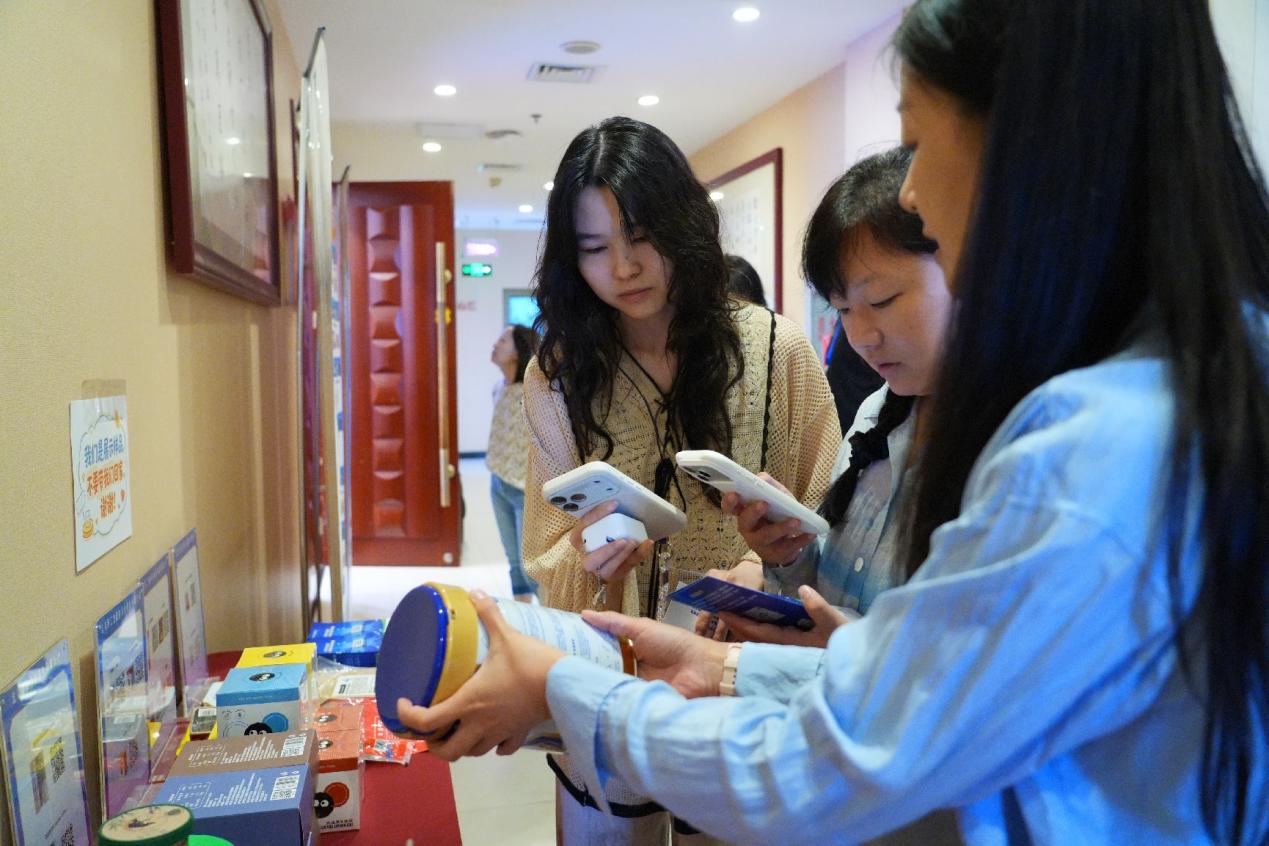
Digital label application showcase