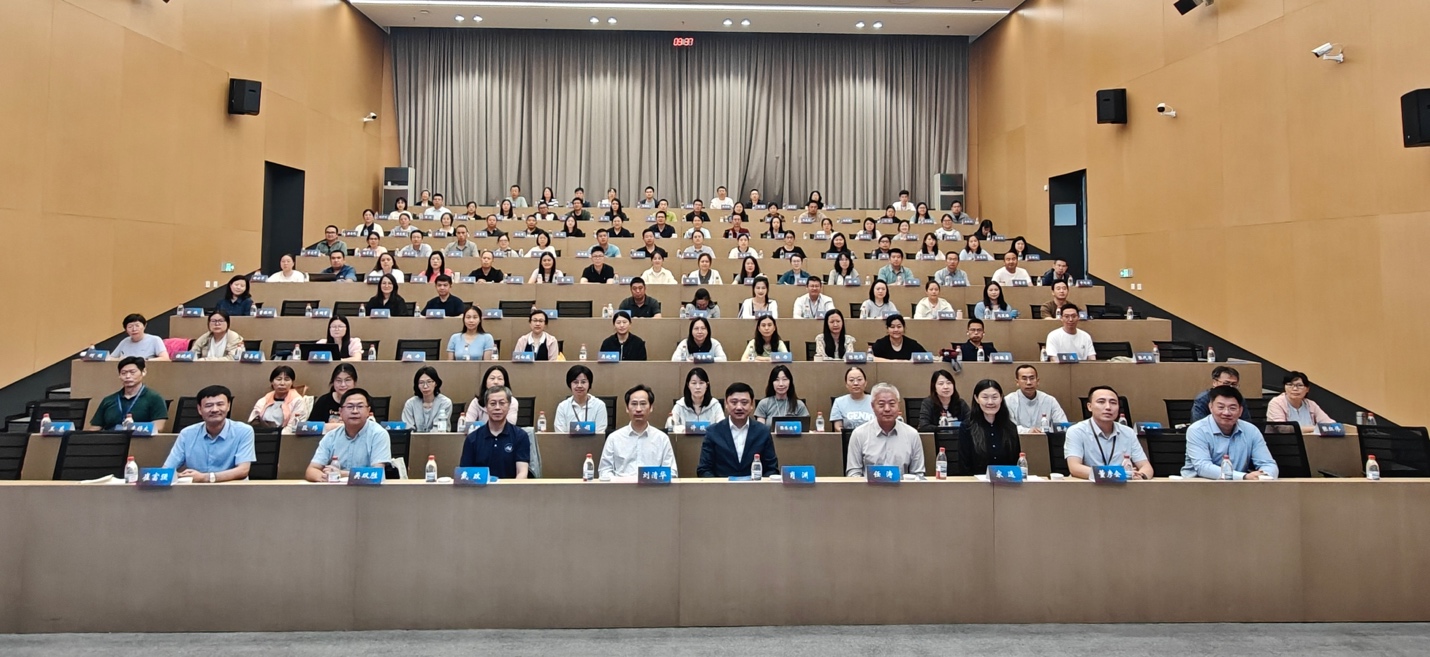
On June 16, 2026, the 2026 Beijing Epidemiological Investigation Expert Capacity Enhancement Training Program, organized by the Beijing Municipal Disease Prevention and Control Administration and hosted by Peking University, was successfully launched. A total of 120 municipal-level epidemiological investigation expertsfrom disease control institutions and medical organizations across Beijing participated in the training.
During the opening mobilization session, the responsible official of the municipal disease control administration emphasized that continuously strengthening the city's core capacities in epidemiological investigation and other aspects of infectious disease prevention and control is an important measure for fully implementing the guiding principles of the 20th National Congress of the Communist Party of China and subsequent plenary sessions of the 20th CPC Central Committee. It also reflects the principle of balancing investment in infrastructure with investment in human resources and serves to consolidate the talent foundation of the public health sector. All participants were encouraged to cherish this learning opportunity, strictly observe training discipline, apply what they learn in practice, and effectively improve their field epidemiological investigation capabilities to support the high-quality development of Beijing's disease control system.
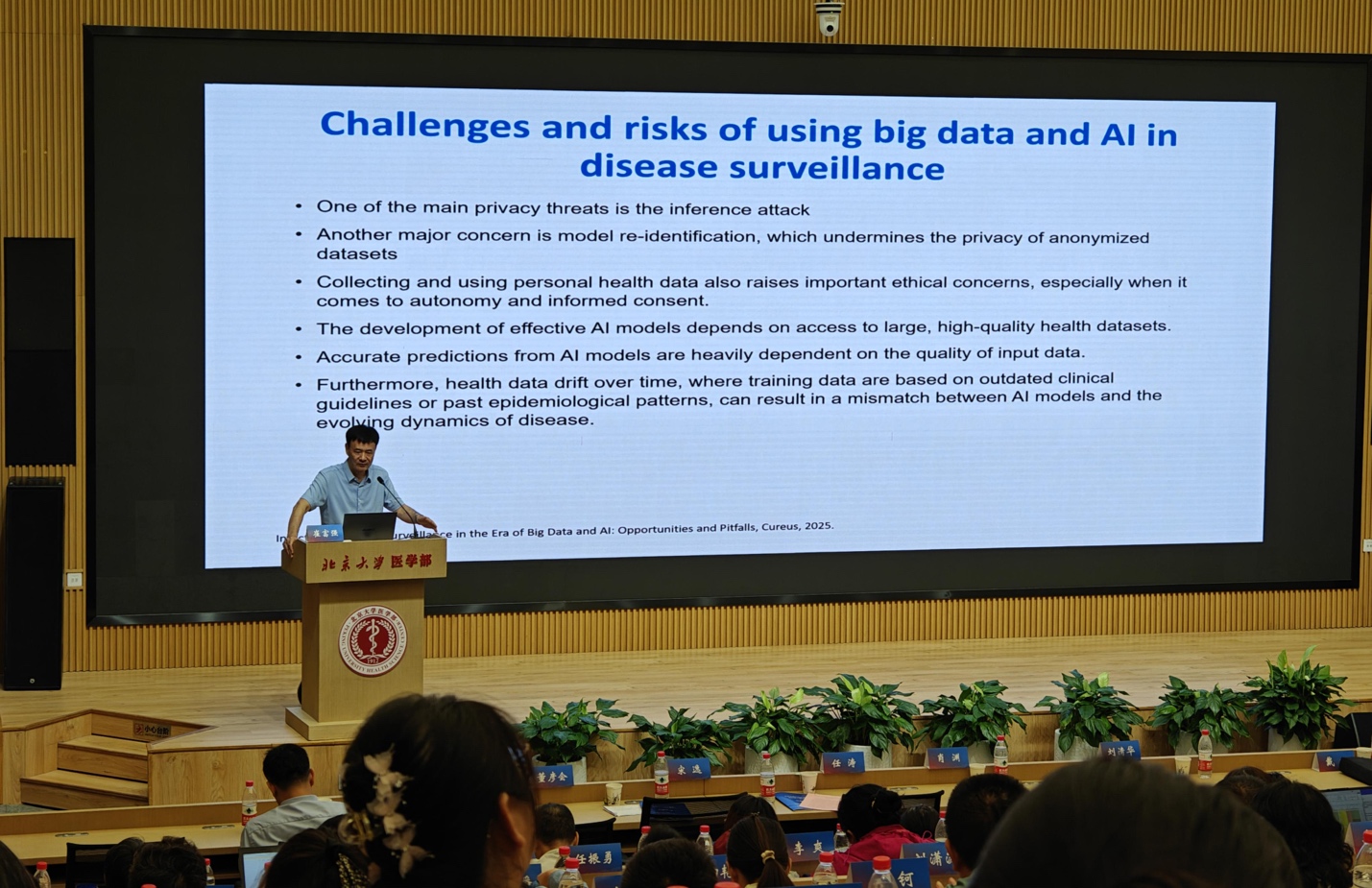
The training program was designed to enhance the professional competency of epidemiological investigation experts across the city through a series of specialized courses. The curriculum covered not only cutting-edge topics such as trends in epidemiology, investigation design in complex scenarios, advanced data analysis, and the application of emerging technologies, but also comprehensive subjects including public health collaboration and social co-governance, management and leadership development, and policy advisory report writing to meet government decision-making needs. In response to the risks posed by emerging and re-emerging infectious diseases, the program also included theoretical lectures and tabletop simulation exercises, as well as practical courses on risk communication and public opinion management. The curriculum was intensive, systematic, forward-looking, and highly practice-oriented.
Moving forward, Beijing's disease control system will take this training as an opportunity to further improve the full-cycle management mechanism for the selection, training, assessment, and utilization of epidemiological investigation experts, continuously enhance the professionalism and standardization of the epidemiological investigation workforce, and better safeguard the health and safety of the people of the capital through stronger expertise and capabilities.