
May 16–22, 2026 marks the 12th National Nutrition Week. This year’s theme is “Nutritious Dining Tables, Healthy Families,” with the slogan “Healthy China Begins with Nutrition,” closely aligning with the core requirements of the Healthy China Action (2019–2030) and the National Nutrition Plan (2017–2030). To further strengthen public nutrition education, steadily advance population nutrition intervention programs, and foster a positive social atmosphere in which all citizens pay attention to, learn about, and practice nutrition, the launch ceremony for Beijing’s National Nutrition Week, themed “Nutritious Dining Tables, Healthy Families — Let’s Take Action Together,” was held at the Fangzhuang Youth Activity Center on May 15, officially kicking off the citywide nutrition and health promotion campaign.
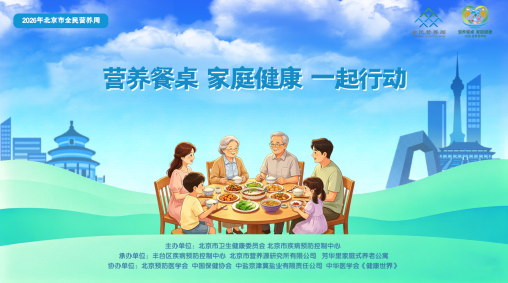
The launch event was led and coordinated by the Beijing Municipal Health Commission and jointly organized by the Beijing Center for Disease Prevention and Control, the China Health Care Association, and the Beijing Preventive Medicine Association, with support from relevant organizations in Fengtai District. More than 150 participants attended, including officials from municipal and district-level health and disease control systems, science communication experts from Xuanwu Hospital, Capital Medical University, representatives from elderly care institutions and key enterprises, and community workers from Fengtai District. Together, they pooled their efforts to advance family nutrition and health development. Centered on the themes of “policy guidance, practical implementation, and science popularization for public benefit,” the event featured three major segments: a launch ceremony, expert science lectures, and a showcase of outstanding age-friendly meal initiatives. Focusing on family nutrition and scientific dietary practices, the event encouraged society to return attention to family dining tables, practice balanced diets, and integrate nutrition and health concepts into everyday life.
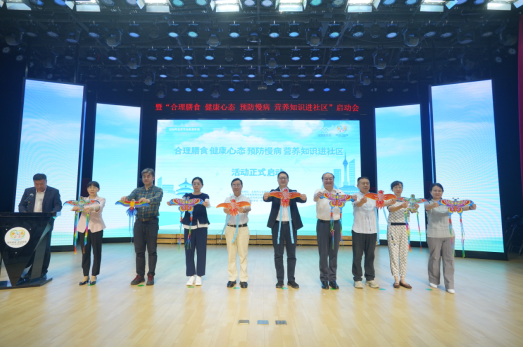
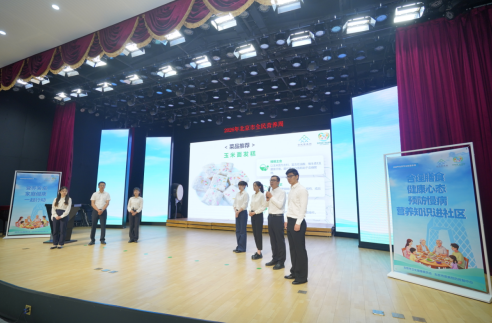
During the event, participating organizations shared practical achievements and outlined future initiatives based on their respective responsibilities, demonstrating the capital’s commitment to nutrition and health development. As a pilot district for nutrition improvement in elderly meal assistance services, Fengtai District introduced its innovative practices. Relying on a nutrition and health alliance, the district established a coordinated “health commission + civil affairs” collaboration mechanism and piloted standardized elderly meal assistance sites to address key issues such as prioritizing fullness over nutrition and the high prevalence of chronic diseases among older adults. Through measures such as dietary nutrition assessments, professional training for meal service personnel, public nutrition education, and on-site family doctor services, Fengtai District has developed a full-chain integrated medical and elderly care nutrition service model covering “screening – assessment – intervention – referral.” Its replicable and scalable practices provide valuable experience for improving elderly nutrition services across Beijing. At the same time, the initiative “Use Salt Wisely, Protect Health” was officially released, calling on all sectors of society and the general public to embrace scientific salt reduction practices, promote low-sodium diets, and strengthen the foundation of healthy eating nationwide. Outstanding age-friendly dishes displayed by different districts — including “Rainbow Nutrition Dishes” and “Soft and Balanced Meals” — reflected society’s attentive care for the nutritional health of elderly populations and embodied the people-centered development philosophy.
To further deepen and expand nutrition science outreach and bring services directly to residents, organizers also announced the 2026 special campaign plan titled “Balanced Diet, Healthy Mindset, Chronic Disease Prevention — Nutrition Knowledge Enters Communities.” This year, Beijing plans to hold 100 public welfare community nutrition events citywide. Nutrition experts will visit communities, villages, enterprises, government agencies, schools, and other key venues to promote nutrition knowledge and practical skills through lectures, consultations, and hands-on guidance, effectively bridging the “last mile” of nutrition services and benefiting households throughout the city.
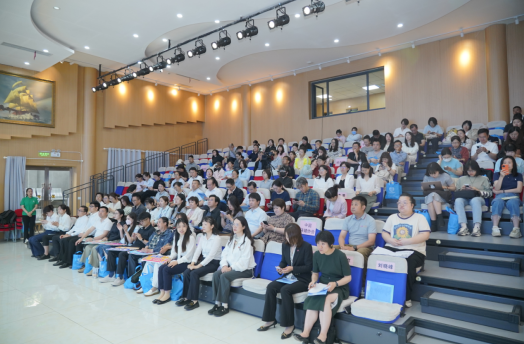
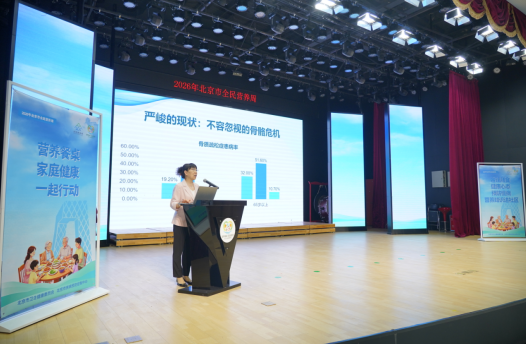
Following the launch ceremony, Associate Chief Physician Li Ying from Xuanwu Hospital, Capital Medical University delivered a science lecture on the “Dietary Guidelines for Adult Osteoporosis.” Combining nutrition science with traditional Chinese dietary therapy concepts, she provided an accessible explanation of bone health maintenance. The lecture closely followed the Dietary Guidelines for Adult Osteoporosis (2026 Edition) issued by the National Health Commission, offering practical recommendations on balanced nutrition, sufficient intake of key nutrients, food diversity, scientific meal preparation, moderate sun exposure, and regular exercise. Integrating traditional Chinese dietary therapy concepts, the lecture provided audiences with scientific and practical dietary solutions for maintaining bone health and effectively improved public awareness of osteoporosis nutrition management.
Moving forward, the Beijing Municipal Health Commission will continue coordinating with relevant organizations, using National Nutrition Week as an opportunity to launch more practical, people-centered, and effective nutrition outreach activities under the theme “Nutritious Dining Tables, Healthy Families.” These efforts aim to integrate nutrition knowledge into everyday meals, guide citizens toward healthier dietary habits, safeguard healthy family dining tables, strengthen the foundation of Healthy Beijing development, and inject sustained momentum into improving public health literacy.