
On December 12, the Capital Health System Cultural Development Work Exchange Conference was held at Beijing Xiaotangshan Hospital. Guided by Xi Jinping Thought on Culture, the meeting thoroughly implemented the National Health Commission’s deployment requirements on further strengthening cultural development in the health sector in the new era. It clarified goals, consolidated responsibilities, and steadily advanced key tasks for the next phase of cultural development in the capital’s health system. Yang Jinrui, Deputy Director of the Publicity Department of the National Health Commission, and Wang Jianhui, Member of the Party Committee and Deputy Director of the Beijing Municipal Health Commission, attended the meeting and delivered speeches. Relevant officials from the Municipal Publicity Department and the Municipal Center for Disease Control and Prevention were also present. The meeting was chaired by Xu Changshun, Second-Level Inspector of the Beijing Municipal Health Commission.
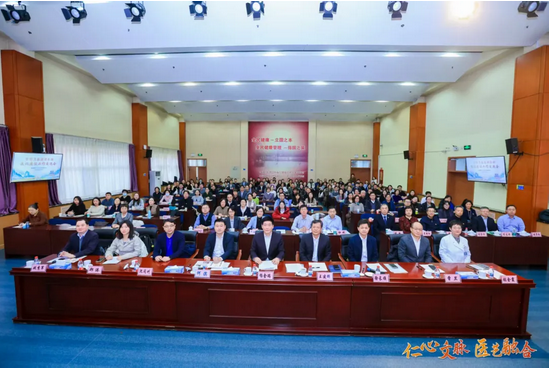
Yang Jinrui pointed out that people’s health is an inherent requirement of Chinese modernization. As an important component of socialist culture with Chinese characteristics, health culture plays a vital guiding and supporting role in advancing the Healthy China initiative and improving people’s health and well-being. Against this backdrop, strengthening cultural development in the health sector carries profound significance of the times and strong practical value. He noted that the issuance of the Opinions on Further Strengthening Cultural Development in the Health Sector in the New Era provides a clear cultural framework and action guide for the high-quality development of health undertakings in the new era. Strengthening cultural development is an important measure to implement Xi Jinping Thought on Culture, a realistic necessity to adapt to reforms and development in the sector, and an inevitable requirement to promote public health development. At present, China has entered a critical phase of deepening healthcare reform, with daunting tasks such as expanding high-quality medical resources, promoting balanced regional distribution, and strengthening public health risk prevention and control. At this crucial stage, cultural development can unite hearts and minds and inspire morale, enabling health workers to form synergy in reform, proactively respond to challenges, and overcome development bottlenecks. Through cultural development, the sector can cultivate new professional ethos externally and strengthen professional competence internally, ensuring that the noble professional spirit of “revering life, saving the dying and healing the wounded, dedication, and boundless love” is internalized in the heart and manifested in action. This will effectively improve the industry’s image, enhance public understanding and trust, and create a favorable external environment for reform and development. Meanwhile, as living standards rise, public demand for health knowledge, wellness concepts, and patient-centered care experiences is becoming increasingly diverse. The Opinions deploy tasks such as health science popularization, dissemination of traditional Chinese medicine culture, and the building of harmonious doctor–patient relationships, precisely responding to public needs and enhancing health literacy through cultural nourishment. Yang Jinrui emphasized that strengthening cultural development in the health sector in the new era is a systematic project and a strategic task of great honor and responsibility. All medical and health institutions should place cultural work in a prominent position in high-quality development, continuously improve working methods, fully leverage new technologies and tools, and enhance quality and efficiency. Efforts should be made to build a health culture system that reflects the spirit of the times, industry characteristics, and humanistic care, thereby gathering strong spiritual momentum and fostering a positive social atmosphere for advancing the Healthy China initiative.
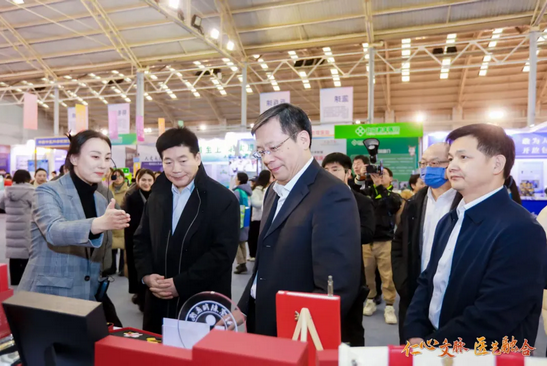
Wang Jianhui stated that, as the nation’s cultural center and a city with concentrated medical resources, Beijing bears a special responsibility in strengthening health culture as it strives to take the lead in basically realizing socialist modernization. Enhancing cultural development in the capital’s health sector concerns the future of the entire industry—particularly the publicity, ideology, and cultural front—and represents a mission-bound duty. Strengthening health culture in the capital serves as a spiritual driving force guiding the development direction of the health sector, an intrinsic requirement for building consensus on reform and development, and an objective need to pool strength for high-quality development. He stressed the need to continuously promote the effective implementation of health cultural development in the capital by leveraging high-end think tanks in the health sector, focusing on major policies, reforms, and forward-looking theories, and conducting leading theoretical and policy research around key health issues of concern to the municipal Party committee and government. Efforts should be made to build five systems: theoretical research, project research, dissemination of research outcomes, talent teams, and cultural development on publicity and ideology in health culture in the capital. Priority areas include pilot construction of digital hospital history museums, comprehensive implementation of medical–art integration, and creation of health-themed literature and film/television works. Medical and health institutions should be encouraged and supported to carry out diverse cultural practices, enrich the supply of high-quality cultural products, and achieve new results in theoretical interpretation, cultural system building, and cultural brand development. Wang Jianhui further called for a more proactive, action-oriented spirit in prospering health culture in the capital: upholding Party leadership to ensure correct direction; adhering to a people-centered approach to meet the public’s growing and evolving health needs and expectations; strengthening multi-party coordination to build a new pattern of cultural development; and balancing integrity with innovation to elevate health culture in the capital to a new level.
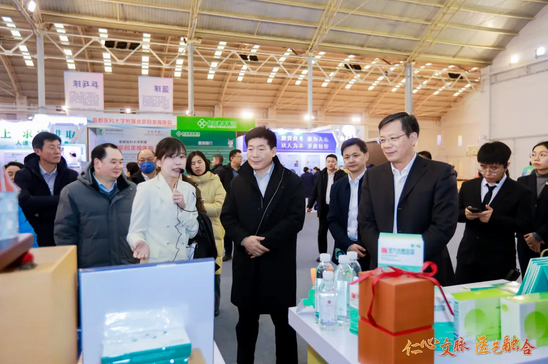
At the meeting, eight pilot units for health cultural development—including Peking Union Medical College Hospital, Peking University First Hospital, Beijing Friendship Hospital affiliated with Capital Medical University, Beijing Anzhen Hospital affiliated with Capital Medical University, the Capital Institute of Pediatrics, Beijing Xiaotangshan Hospital, China Rehabilitation Research Center, and Dongzhimen Hospital affiliated with Beijing University of Chinese Medicine delivered exchange presentations. Drawing on their respective practices and distinctive strengths, the units systematically introduced their phased progress and achievements through localized and innovative exploration. These exchanges effectively promoted experience sharing and mutual learning across the system, providing valuable references and practical insights for advancing high-quality cultural development in the capital’s health sector.
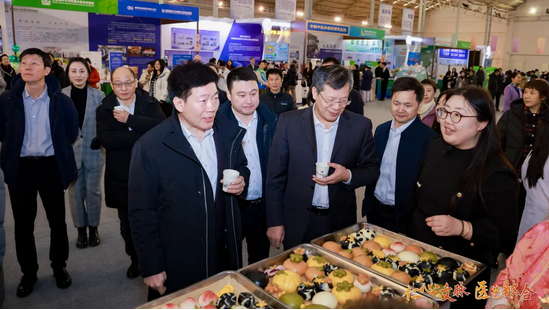
As an important component of the conference, the “Culture Market” exhibition themed “Benevolent Hearts, Cultural Legacy—Integration of Medicine and Art” opened concurrently. At the venue, 28 medical and health institutions presented carefully designed and distinctive booths, showcasing their unique hospital cultures refined through long-term practice, branded service concepts, and a series of creative cultural and innovative products. The exhibition highlighted the mutual reinforcement and two-way empowerment between cultural heritage and new-quality productive forces in medical and pharmaceutical science and technology. By delivering high-quality health cultural services, the initiative strengthens the sector’s foundations, promotes the prosperity of health culture undertakings and industries, and better meets the public’s expectations for a better and healthier life. The exhibition provided an intuitive platform for institutions to demonstrate their cultural soft power and created an open, interactive, and dynamic space for industry-wide cultural exchange, attracting broad attention and in-depth engagement from participants.
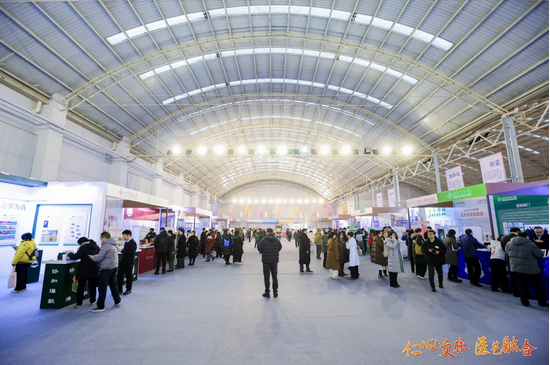
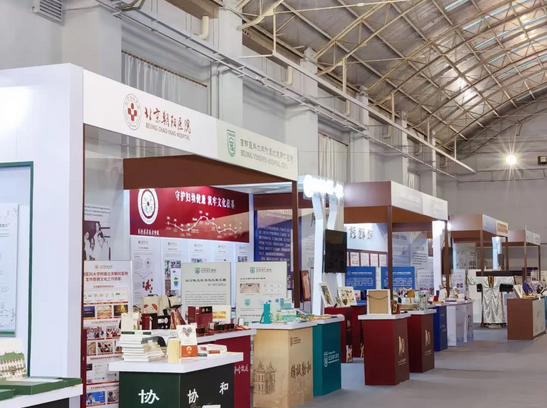
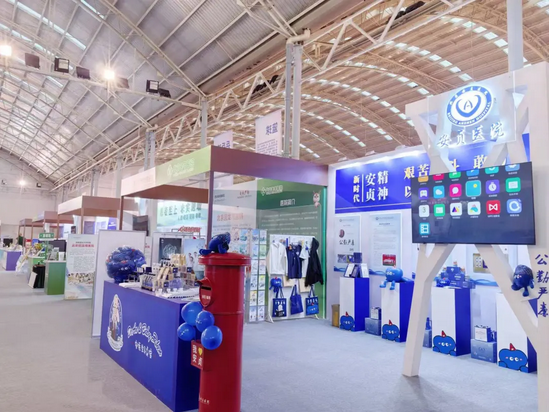
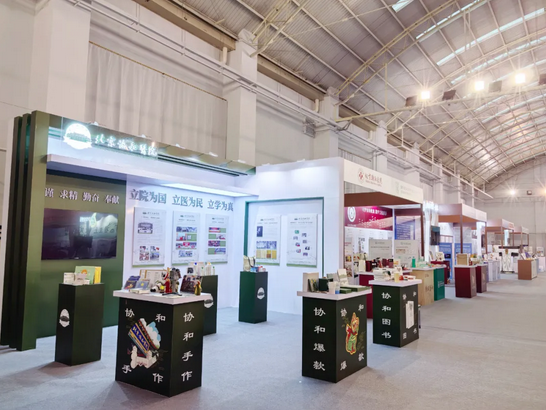
Participants included leaders in charge of publicity, ideology, and cultural work and departmental heads from the Municipal Administration of Traditional Chinese Medicine, the Municipal Hospital Authority, district health commissions, the Economic-Technological Development Area’s social affairs bureau, tertiary hospitals, as well as relevant officials from departments of the municipal health commission.