
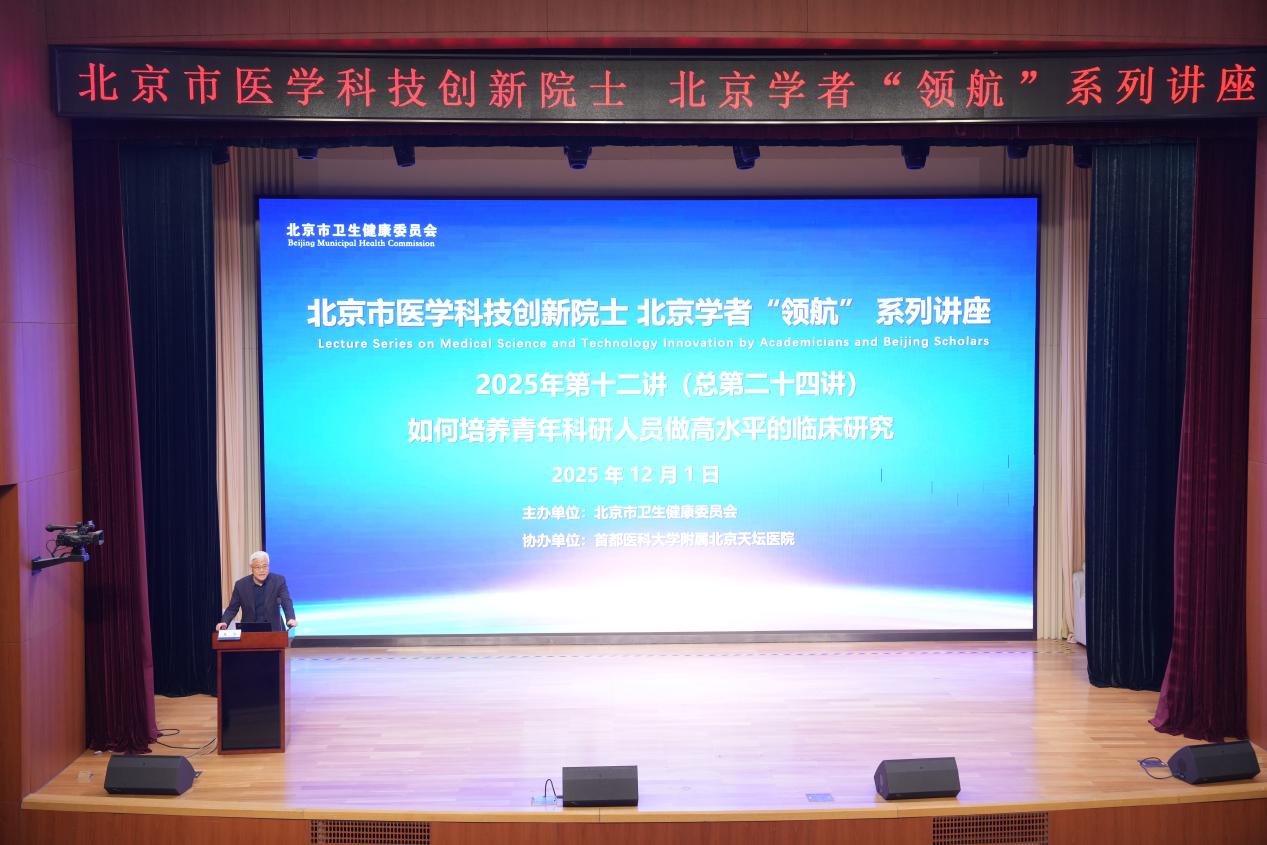
On the afternoon of December 1, 2025, the 12th lecture of the Beijing Medical Science and Technology Innovation Academicians and Beijing Scholars “Leading the Way” Lecture Series (the 24th lecture in total) was successfully held at Beijing Tiantan Hospital. Centered on the theme “How to Cultivate Young Researchers to Conduct High-Level Clinical Research,” the lecture was chaired by Wang Yu, Deputy Director of the Beijing Municipal Health Commission. Three experts delivered keynote presentations: Wang Yongjun, Academician of the Chinese Academy of Sciences; Xiong Yunyun, Deputy Director of the Vascular Neurology Department, Neurology Center, Beijing Tiantan Hospital, Capital Medical University; and Li Shuya, Director of the Clinical Trial Center of Beijing Tiantan Hospital. Nearly 400 participants attended the event, including leaders, research management personnel, and researchers from 22 municipal hospitals, 12 central government–affiliated hospitals, and 19 municipal research institutes.
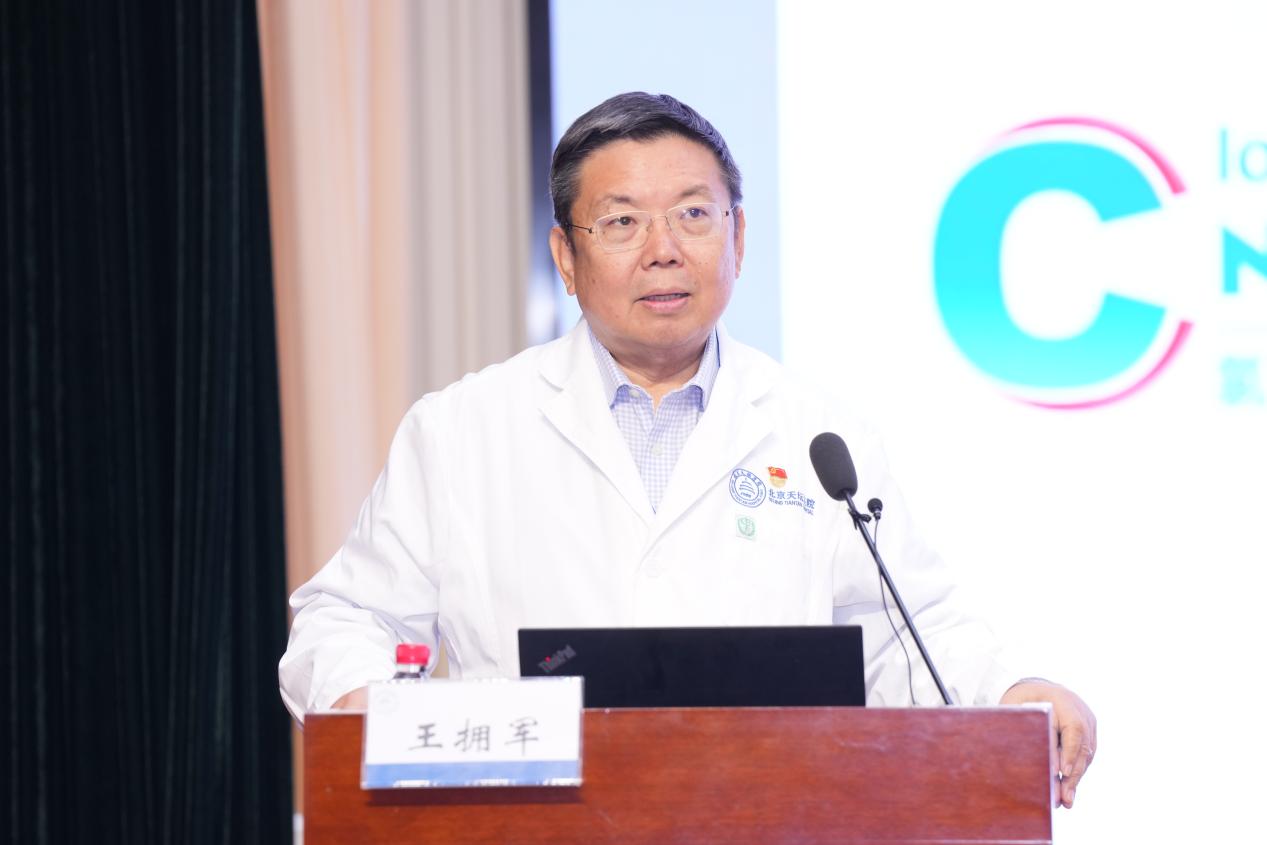
Academician Wang Yongjun focused his lecture on “Cultivating the Next Generation of Leading Talents in Clinical Research.” He systematically elaborated on the significance, standards, pathways, and practical achievements in nurturing young leading talents. His presentation addressed four key aspects: identifying talent, building solid foundations, broadening horizons, and providing opportunities. Academician Wang emphasized that the essence of cultivating leading talents lies in amplifying individuals’ core strengths, setting clear directions, overcoming bottlenecks, and creating growth platforms that offer hands-on, real-world opportunities.
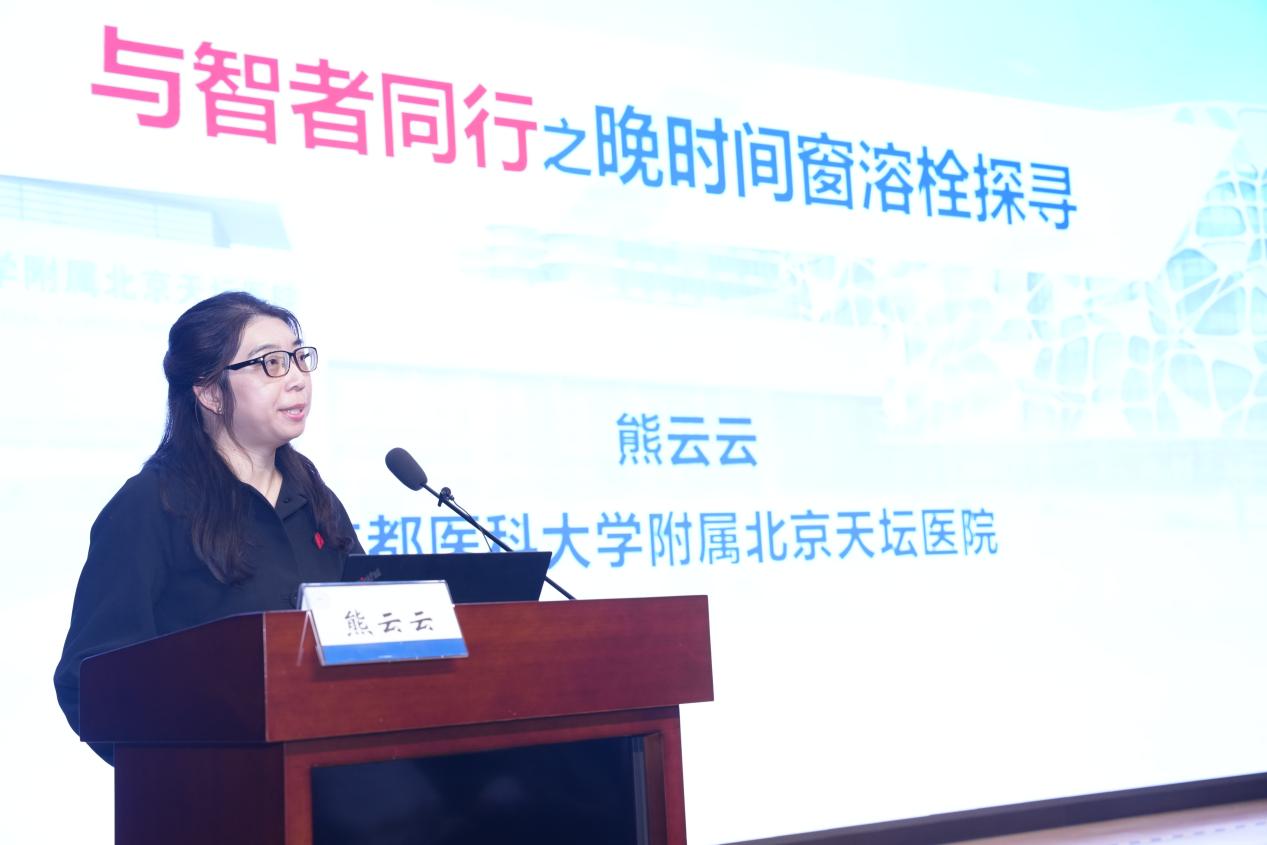
Chief Physician Xiong Yunyun delivered a lecture entitled “Exploring Late Time-Window Thrombolysis by Walking with the Wise.” Through the independent development of a medical–engineering integrated software system and its successful clinical application, her team achieved a world-first breakthrough by extending thrombolytic therapy in the “late time window” to within 24 hours of onset—a milestone that has been incorporated into clinical guidelines. She systematically shared her journey from personal accumulation to tackling key scientific challenges and empowering the field, conveying a passion described as “love in the heart and light in the eyes,” making scientific research not only a tool for technological breakthroughs but also a powerful means of safeguarding patients’ lives.
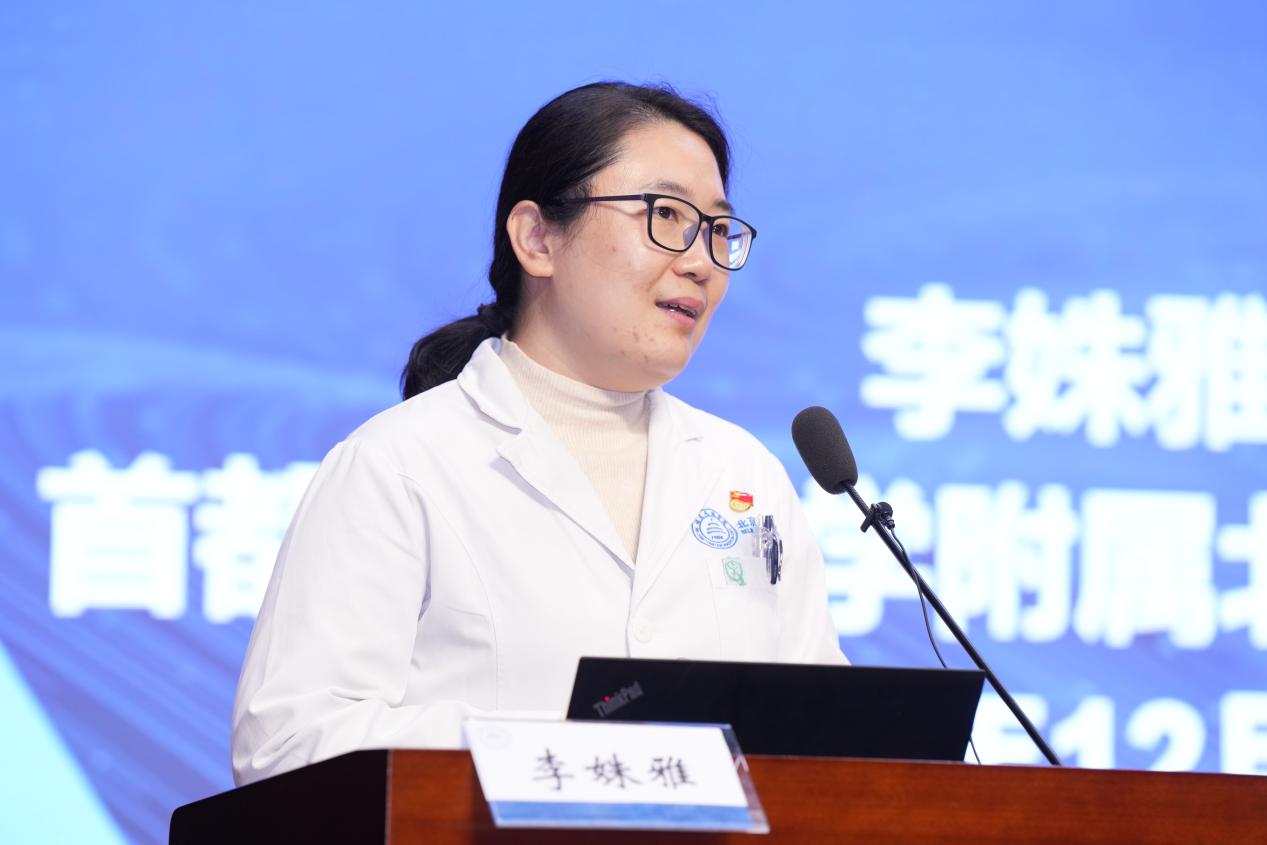
Chief Physician Li Shuya’s lecture, “From the Clinical Frontline to Regulatory R&D: Rewriting Global Guidelines with Chinese Evidence,” provided a detailed explanation across four stages: “clinical accumulation + initial GCP,” “practice expansion + implementation of GCP,” “emerging achievements + expansion of GCP,” and “international multicenter studies + elevation of GCP.” With GCP as the core support, she outlined a pathway of “clinical accumulation—transformational breakthroughs—output of results—global leadership,” achieving synergy among personal growth, team development, and national strategies. Ultimately, Chinese population-based evidence was used to revise global guidelines, promoting pharmaceutical innovation to benefit broader patient populations worldwide.
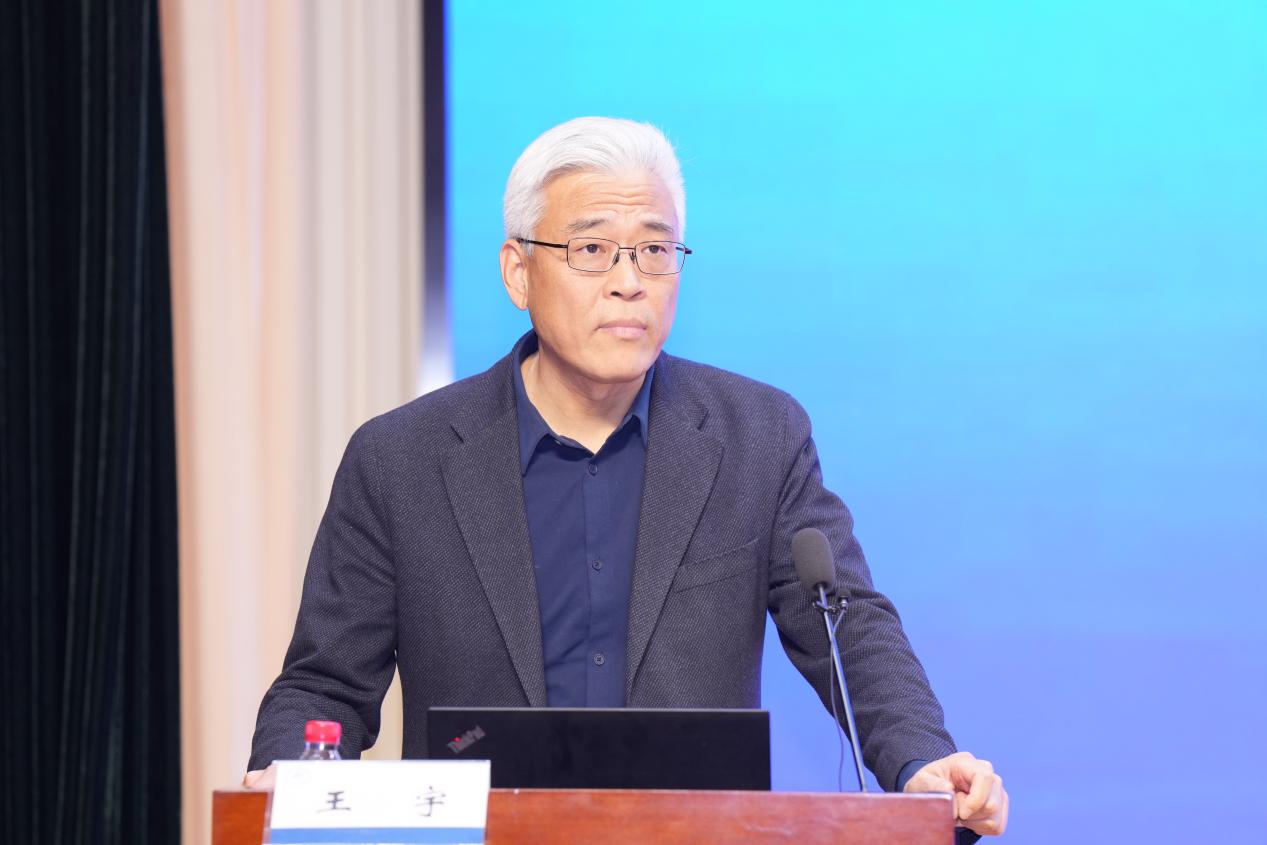
Deputy Director Wang Yu emphasized that researchers should uphold the spirit of scientists, adhere to long-termism, identify the right direction, remain steadfast, and devote themselves to in-depth research to produce achievements worthy of the times. He also called on municipal hospitals and research institutes to fully respect talent—providing professional support and personal care for academicians and researchers alike—actively listen to their suggestions, and strengthen the scientific management and service guarantee for research activities.
To build a high-level collaborative innovation platform, the Beijing Municipal Health Commission officially launched the “Leading the Way” Lecture Series in 2024. To date, more than 6,300 medical science and technology professionals have participated. The series has invited 12 academicians, 16 Beijing Scholars, and 23 national-level talents to the podium, focusing on cutting-edge medical fields such as neuroscience, cardiovascular health, medical imaging, brain–computer interfaces, artificial intelligence, ophthalmology, otolaryngology, and others, fostering multi-dimensional in-depth exchanges and academic sharing.