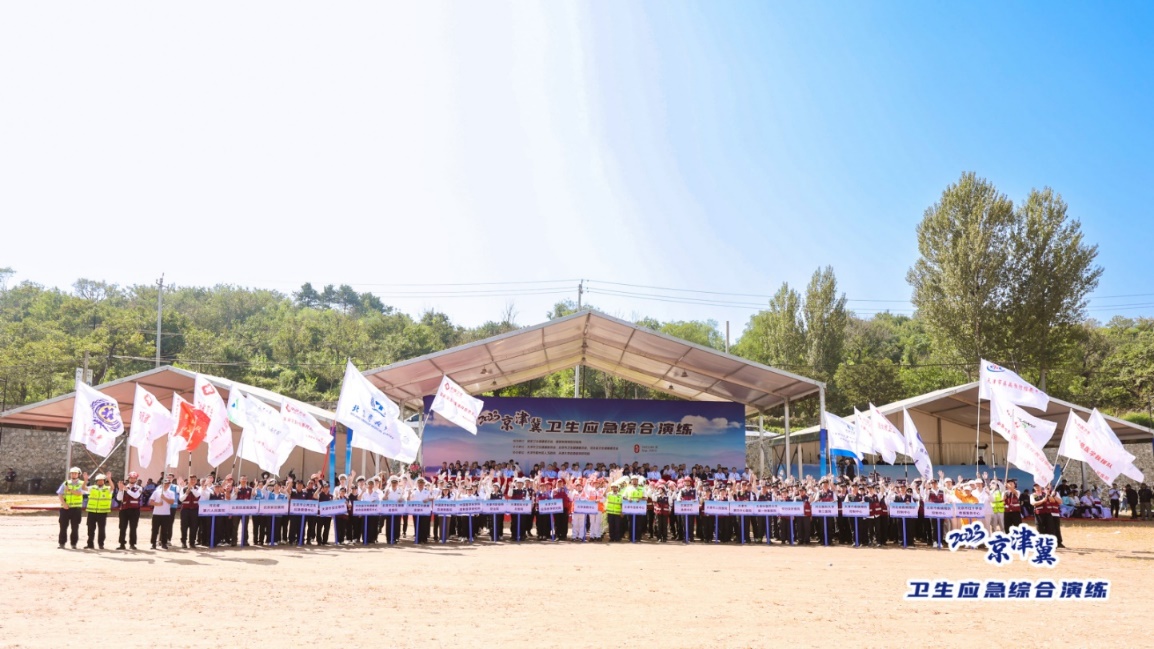
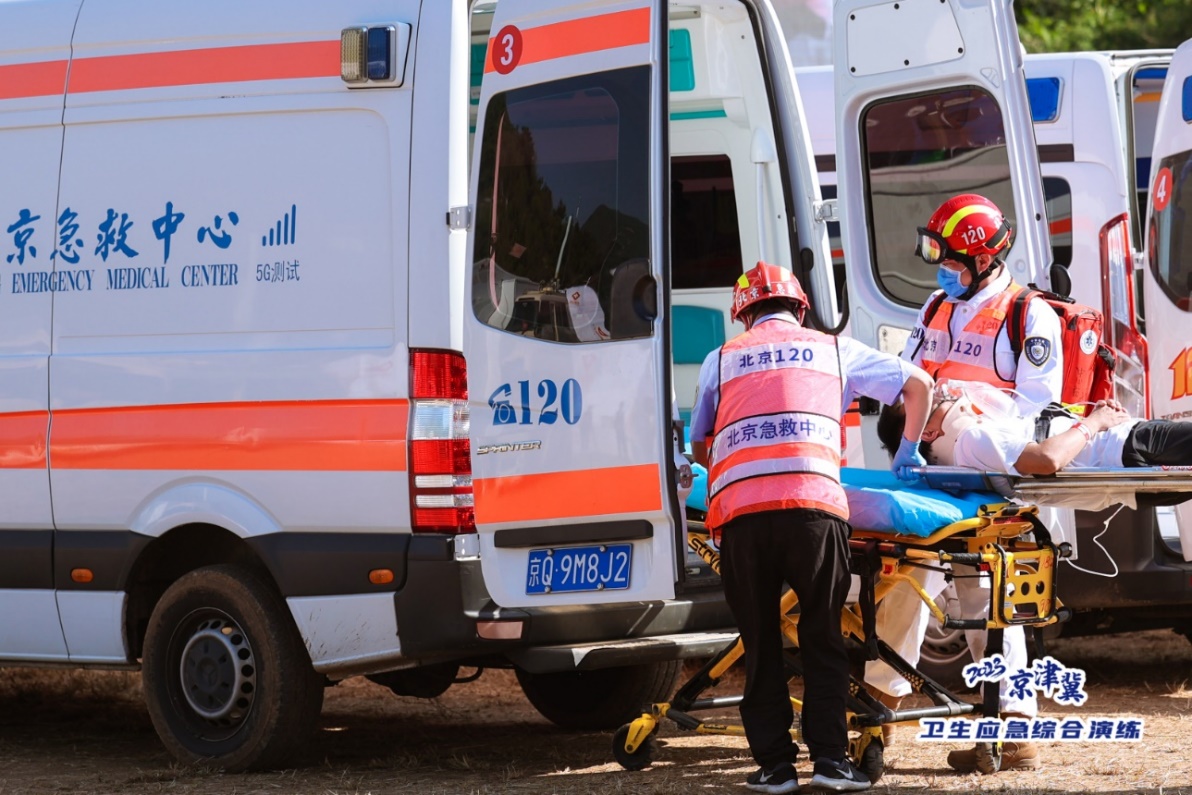
In order to thoroughly implement the national strategy for the coordinated development of the Beijing-Tianjin-Hebei region, the "Beijing-Tianjin-Hebei Health Emergency Cooperation Agreement" and the "Beijing-Tianjin-Hebei Adjacent County (City, District) Health Emergency Cooperation Agreement", on September 21, jointly guided by the National Health Commission and the Chinese Center for Disease Control and Prevention, co-sponsored by the health commissions of Tianjin, Beijing, and Hebei, and co-organized by the Emergency Medicine Institute of Tianjin University and the Jizhou District People's Government, the Beijing-Tianjin-Hebei Comprehensive Health Emergency Drill 2023 was held in Jizhou District, Tianjin. A total of 26 health emergency teams, more than 400 people, mover 80 vehicles for various health emergency work and support, and 2 rescue helicopters from Beijing, Tianjin and Hebei participated in the drill.
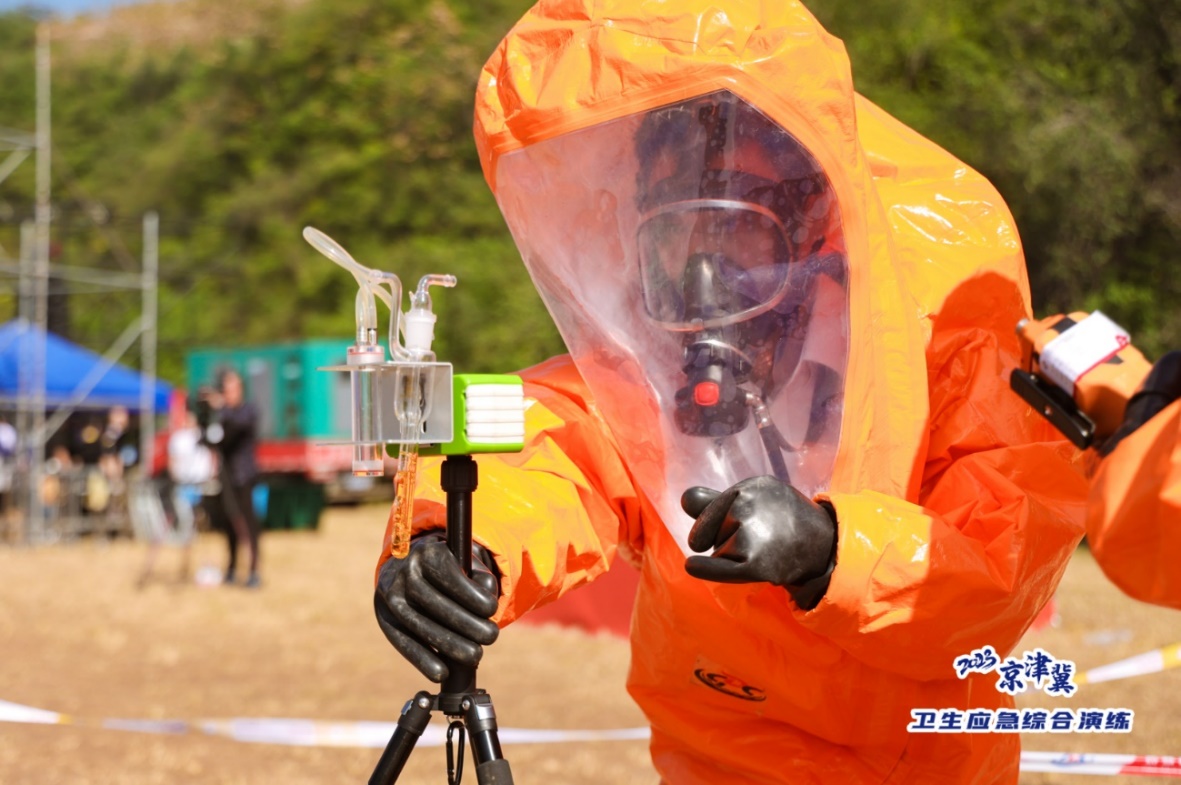
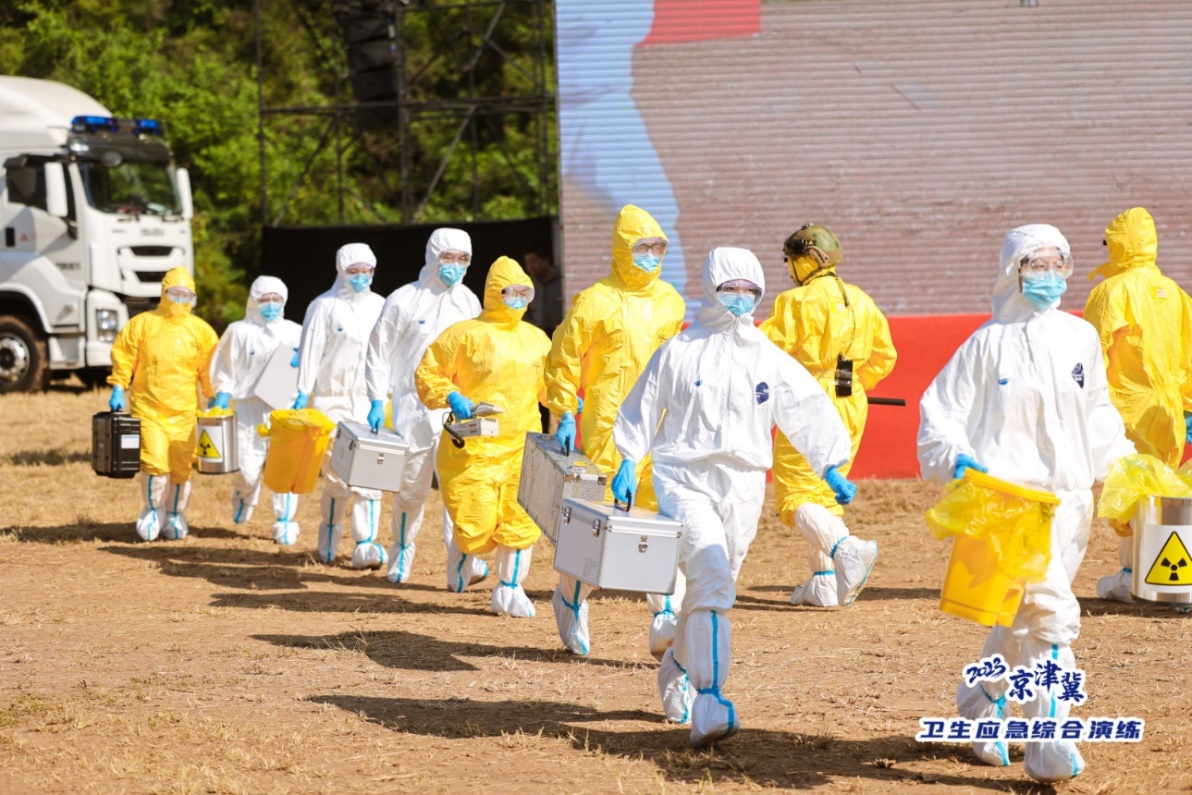
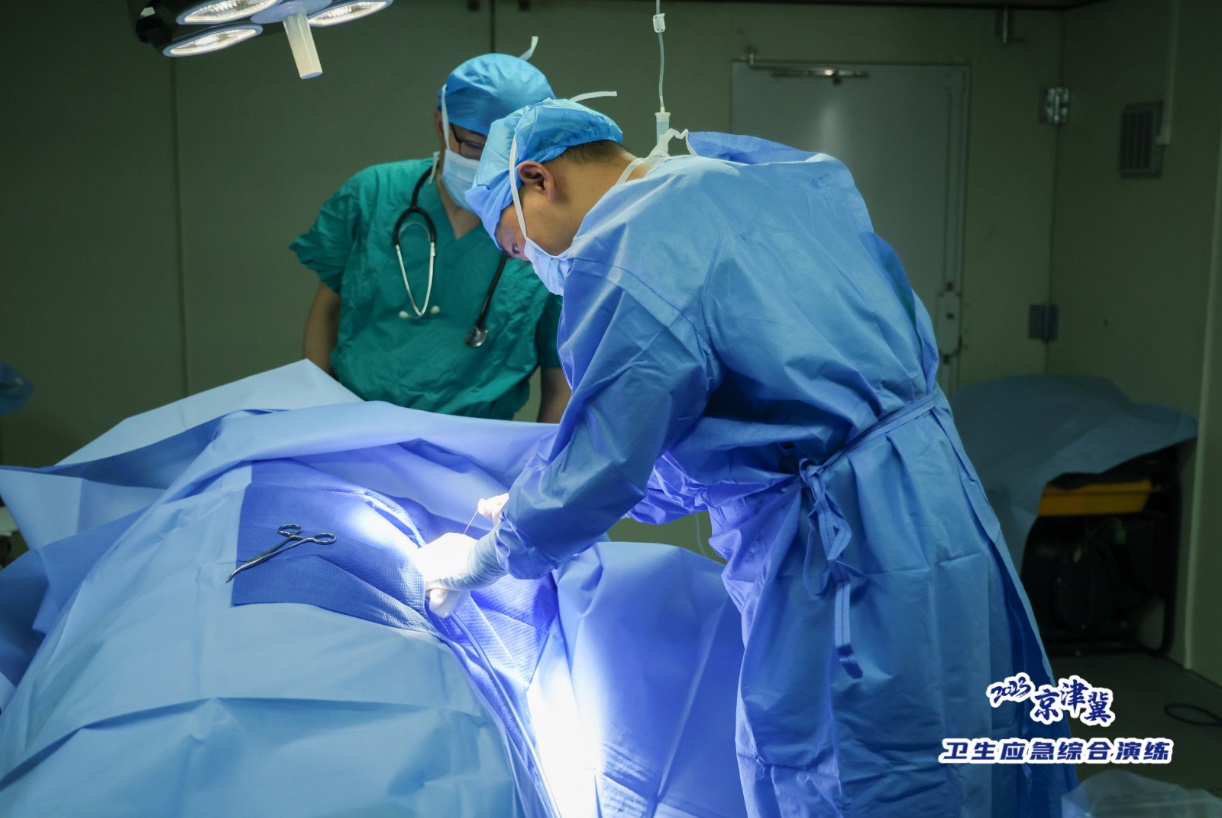
This drill was carried out by the scenario-building and close-to-actual approach to simulate heavy rains in Jizhou District, Tianjin for several days, triggering landslides and causing a large number of casualties and secondary public health incidents. Beijing, Tianjin and Hebei immediately launched a collaborative emergency response mechanism, and the health emergency teams of the three places cooperated to carry out the health emergency response and disposal work including pre-hospital first aid, emergency medical rescue, aviation medical transport, emergency rescue for nuclear and radiation accidents, and emergency response to sudden poisoning caused by hazardous chemical leakage, infectious disease prevention and control, health supervision, psychological crisis intervention, post-disaster health and epidemic prevention and health education. The drill focused on showing the health emergency response capabilities of the health emergency systems in Beijing, Tianjin and Hebei in response to natural disasters and accidents.
The expert review team believed that this exercise was based on efficiently responding to emergencies and preventing and resolving major risks. The scenarios were designed according to the reality and the exercise was well organized with sufficient communication and interaction. It was highly targeted, practical and instructive, and achieved the expected goals of testing plans, running-in mechanisms, and improving capabilities.
Guo Yanhong, Director of the Medical Emergency Department of the National Health Commission, relevant responsible comrades from the Ministry of Emergency Management, the Ministry of Industry and Information Technology, the Chinese Center for Disease Control and Prevention, Tianjin Municipal Health Commission, Beijing Municipal Health Commission, Hebei Provincial Health Commission, and Jizhou District People's Government, responsible comrades of relevant departments and offices of the health commissions of Beijing, Tianjin and Hebei, participating units, relevant committees and bureaus, responsible comrades of health work of some provinces, municipalities and autonomous regions across the country, and professional representatives of the Macao Special Administrative Region viewed the drill on site.